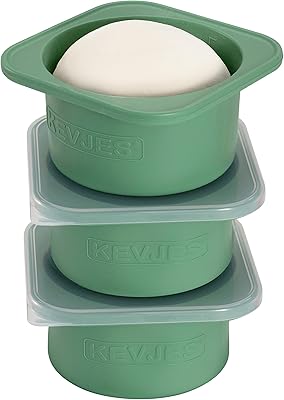
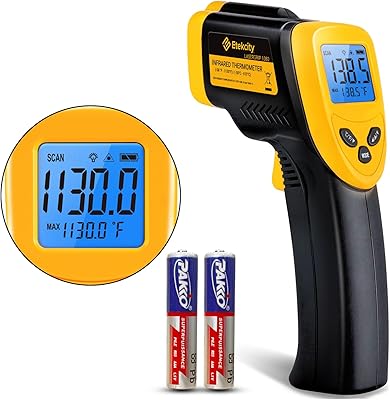
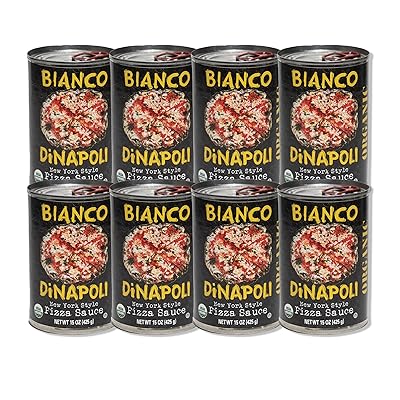
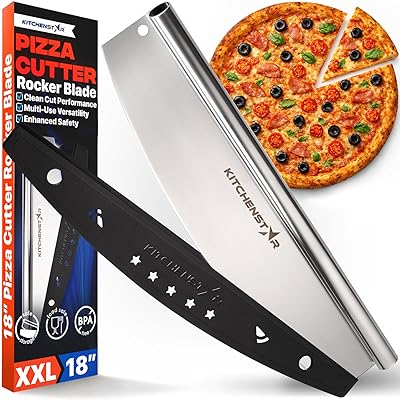
Skip the gadgets. Here are the tools that actually make a difference in your pizza.
The Honest Truth About Pizza Tools
Affiliate disclosure: Some links on this page go to Amazon. If you buy through them, we earn a small commission at no extra cost to you. We only recommend tools we've tested and would buy again.
Most “essential pizza tool” lists include 15+ items you don't need. A turning peel? Not until your 200th pizza. An infrared thermometer? Nice to have, not essential. A $40 pizza cutter? Your kitchen scissors work fine.
We narrowed it down to the tools that actually change your results — the ones where you'll taste the difference in your very next bake. After testing dozens of products across price ranges, these are the picks that survived.
How We Chose These
Every tool on this page meets three criteria. First, it has to solve a real problem — something that actually limits your pizza quality, not a convenience upgrade. Second, it has to clear our Real-Kitchen Tool Trial: a 4-week minimum of daily use, though most items have been in our rotation for 3+ months by the time they land here. Third, it has to be the best option at its price point. We don't list the most expensive version of everything; we list the one that makes sense for home pizza makers who want good results without overspending.
The One Tool That Changes Everything
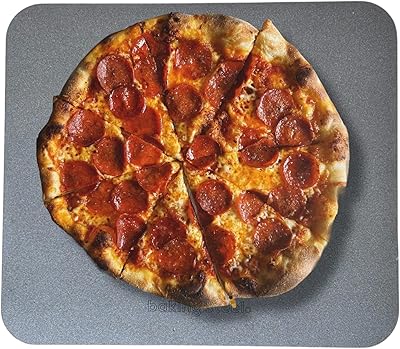
If you buy only one thing from this page, make it a baking steel. A 1/4” steel plate conducts heat roughly 18x faster than a ceramic pizza stone (steel ~50 W/m·K vs cordierite ~2.5 W/m·K, per Modernist Cuisine's thermal testing). Put it on the top rack of your home oven, crank to max (250–290°C / 480–550°F), and you'll get a crispy, leopard-spotted bottom crust in 6–8 minutes. It's the single biggest upgrade you can make for under $100 — bigger than any flour, any recipe, any technique.
Why a Scale Matters More Than You Think
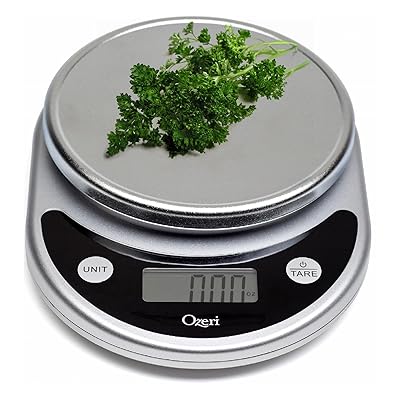
Baking is chemistry. A cup of flour can weigh anywhere from 120g to 160g depending on how you scoop it — that's a 33% variance that wrecks your hydration ratio and makes your dough unpredictable. A $15 digital scale eliminates this entirely. Every recipe on Pizza Planet uses gram measurements for exactly this reason, and our dough calculator outputs precise gram amounts for every ingredient.
Tools, Not Ovens
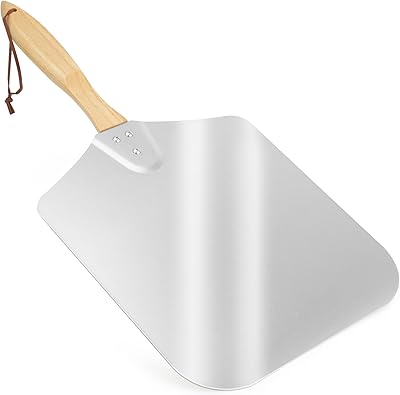
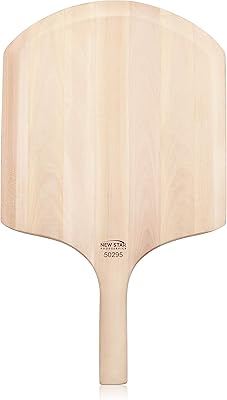
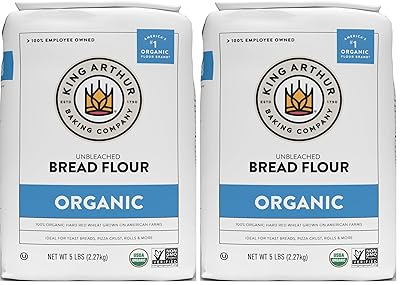
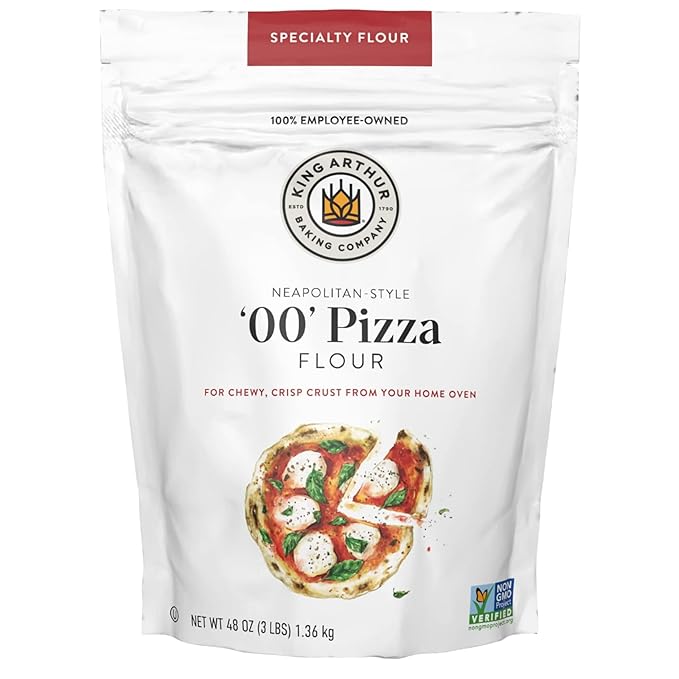
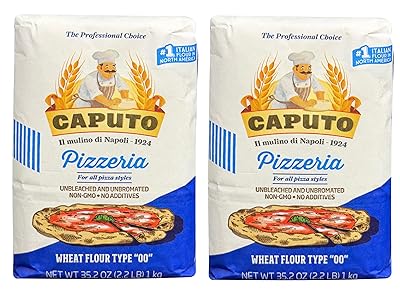
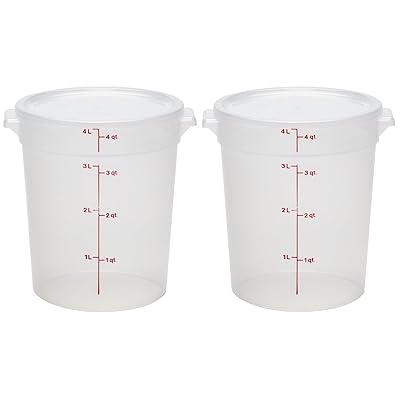
We focus on the gear and ingredients that make the biggest difference in a home kitchen: a baking steel for the oven you already own, the right peel, an accurate scale, real Caputo “00” flour, and proper dough containers. A baking steel under your home oven's broiler produces better pizza than most setups — technique and ingredients matter more than hardware. Considering King Arthur instead? See our Caputo vs King Arthur comparison — the choice depends more on your oven than on the brand.