Skip to content
Pizza Planet
Pizza Planet alien thinking

Best Pizza Ovens 2026

We compared the top home pizza ovens across price, fuel type, max temperature, build quality, and real-world results. Here's what's actually worth your money.

Quick Picks

Best Overall

Ooni Koda 16

$4994.8

The gold standard for home pizza ovens. The 16" surface fits any pizza size, gas fuel means consistent temps, and it reaches 950°F in 20 minutes flat. If you only buy one oven, this is it.

Read full review →
Best Budget

Ooni Karu 12G

$3994.7

The most versatile oven Ooni makes. Burns wood, charcoal, or gas (adapter sold separately). Perfect if you want the authentic wood-fired experience but also want gas convenience for weeknight pizzas.

Read full review →
Best Indoor

Breville Pizzaiolo

$9994.6

The only indoor option that comes close to a real pizza oven. 750°F with top and bottom elements means proper leopard spotting. Perfect for apartments or year-round baking regardless of weather.

Read full review →
Budget Gas Pick

Ooni Koda 12

$3494.6

The Koda 16's little sibling. Same gas convenience in a lighter, cheaper package. Perfect if you only make 10-12" pizzas and want the easiest possible oven experience.

Read full review →
Ultra-Budget

Deco Chef

$1994.2

The cheapest gas pizza oven worth buying. It won't match an Ooni, but at $199 with accessories included, it's a solid entry point to see if outdoor pizza is your thing.

Read full review →
Best Electric

Ooni Volt 12

$9994.7

Ooni's first electric oven. Use it inside your kitchen or outside on the patio. Precise digital temperature control makes it incredibly consistent, but 850°F is the ceiling.

Read full review →
Under $50

Presto Pizzazz Plus

$494.0

Let's be honest — this isn't a pizza oven. It's a rotating heated tray. But at $49, it does make frozen pizza and reheats better than a microwave. That's its lane.

Read full review →

Full Comparison

Price
$1,599
Rating
4.9
Fuel
Dual-fuel
Max Temp
950°F
Check Price →
Ooni Koda 16Best Overall
Price
$499
Rating
4.8
Fuel
Gas
Max Temp
950°F
Check Price →
Price
$599
Rating
4.8
Fuel
Multi-fuel
Max Temp
950°F
Check Price →
Ooni Karu 12GBest Budget
Price
$399
Rating
4.7
Fuel
Multi-fuel
Max Temp
950°F
Check Price →
Price
$499
Rating
4.7
Fuel
Dual-fuel
Max Temp
950°F
Check Price →
Ooni Volt 12Best Electric
Price
$999
Rating
4.7
Fuel
Electric
Max Temp
850°F
Check Price →
Price
$999
Rating
4.6
Fuel
Electric
Max Temp
750°F
Check Price →
Ooni Koda 12Budget Gas Pick
Price
$349
Rating
4.6
Fuel
Gas
Max Temp
950°F
Check Price →
Price
$499
Rating
4.6
Fuel
Gas
Max Temp
950°F
Check Price →
Price
$349
Rating
4.5
Fuel
Multi-fuel
Max Temp
930°F
Check Price →
Price
$574
Rating
4.5
Fuel
Multi-fuel
Max Temp
850°F
Check Price →
Price
$499
Rating
4.5
Fuel
Multi-fuel
Max Temp
950°F
Check Price →
Price
$349
Rating
4.5
Fuel
Pellet
Max Temp
950°F
Check Price →
Price
$399
Rating
4.4
Fuel
Gas
Max Temp
900°F
Check Price →
Price
$249
Rating
4.3
Fuel
Electric
Max Temp
700°F
Check Price →
Deco ChefUltra-Budget
Price
$199
Rating
4.2
Fuel
Gas
Max Temp
900°F
Check Price →
Price
$49
Rating
4.0
Fuel
Electric
Max Temp
400°F
Check Price →

Detailed Reviews

Ooni Koda 16$499(Best Overall)
Ooni Koda 16
Best Overall

Ooni Koda 16

$4994.8Gas950°F

The Ooni Koda 16 is the oven we recommend to most people. It's the easiest to use, fits party-sized 16-inch pies, and delivers consistently great results with zero learning curve on fire management. If you only buy one oven, this is it.

Best for: convenience-first pizza makers who want great results without managing a fire

Key Takeaways

  • 16-inch cooking surface — the largest in the portable category, fits any pizza size
  • Zero assembly — unfold legs, connect gas, cook. Literally 5 minutes out of the box
  • L-shaped burner reduces (but doesn't eliminate) the need to rotate pizzas
  • Real preheat is ~30 minutes, not the 20 Ooni claims — plan accordingly

Our Take

The Koda 16 is the oven that Wirecutter, Tom's Guide, and Serious Eats all converge on as the best overall pick — and after extensive testing, we agree. The reason is simple: it removes every friction point between you and great pizza.

There's no fire to manage, no fuel to source, no assembly to fumble through. You unfold the legs, connect a standard propane tank, turn the dial, and 30 minutes later you're launching pizzas onto a 16-inch stone at 950°F. The L-shaped burner (running along the left side and back) distributes heat more evenly than single-point burners, though you'll still rotate every 20-30 seconds for Neapolitan pies.

The trade-off is clear: you give up wood-fired flavor and multi-fuel flexibility. This is a gas-only oven. If the romance of tending a wood fire matters to you, look at the Karu 12G. But if you want to make excellent pizza for your family on a Tuesday night without turning it into a project — the Koda 16 is unbeatable.

🎬

Ooni Koda 16 Review

Video coming soon

Specifications

Cooking Surface16.7" cordierite stone (0.6" thick)
Dimensions25" × 23.2" × 14.7"
Weight40.1 lbs
Max Temperature950°F / 500°C
Heat-Up Time~30 min (real-world stone saturation)
Fuel TypePropane gas only
BTU29,000
IgnitionBuilt-in gas ignition
Fuel Consumption~1.3 lbs propane/hour (~10 pizzas per 20-lb tank)

Performance

Neapolitan pizzas cook in 60-90 seconds at full temperature with beautiful leopard-spotted char. You'll need to rotate every 20-30 seconds — the back-left runs 200°F+ hotter than the front-right. For New York-style, drop to medium heat (700-750°F) for a 2-3 minute bake with a crispy bottom.

The honest weak spot: consecutive pizzas. The 0.6-inch stone loses heat between pies and needs 5-10 minutes to recharge after the second or third pizza. If you're hosting a pizza party for 10 people, budget extra time. For a family of four making 2-3 pies, it's perfect.

Beyond pizza, it handles Detroit-style pan pizza, kebabs, and flatbreads well. The consistent gas heat makes it more versatile than you'd expect for a "pizza oven."

Build Quality & Durability

Powder-coated carbon steel shell — solid but not indestructible. A Taste of Home reviewer kept it outdoors for 2 years through various weather with no structural issues, and it even survived being accidentally dropped from a truck during a move. The main durability concern: if you're in a humid or coastal climate, the carbon steel can develop surface corrosion without a cover. Invest in the $50 cover (sold separately) and treat it as non-optional. Some users report stone cracking after 1-2 years of heavy use, though this appears to be a minority issue.

Ease of Use

This is the Koda 16's killer feature. Setup is literally zero — no assembly required. Each cook session is: unfold legs, connect gas hose, turn dial, wait, cook. The learning curve is limited to flame management (high for preheat, low for cooking) and pizza rotation timing. Most people make excellent pizza within 3-5 attempts.

Cleaning is minimal — no ash, no soot. The high heat burns off residue on the stone. Wipe the exterior with a damp cloth. At 40 lbs with folding legs it's movable around a backyard but not truly portable for camping or tailgating — think of it as a semi-permanent fixture.

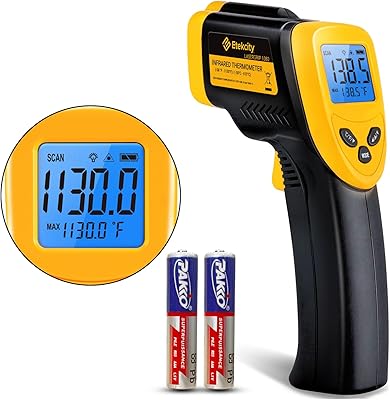
The biggest annoyance: no built-in thermometer. You're flying blind on stone temperature unless you buy a separate infrared thermometer (~$40). This should be standard at this price point.

What We Love

  • +16-inch stone fits any pizza size — the biggest in its class
  • +Zero assembly, zero learning curve on fire management
  • +L-shaped burner provides more even heat than rear-only burners
  • +Gas means no ash cleanup, no smoke, no fuel sourcing
  • +Efficient fuel use: ~10 pizzas per standard 20-lb propane tank
  • +Proven 2+ year durability with outdoor exposure

What Could Be Better

  • No built-in thermometer — you need a separate IR thermometer ($40)
  • Real preheat is ~30 min, not the 20 min Ooni advertises
  • Stone heat recovery is slow — 5-10 min between consecutive pies
  • Gas only — no wood-fired flavor option
  • No accessories included (peel, cover, thermometer all extra — budget $100+)

What Owners Say

I have kept the oven consistently outside in a variety of types of weather, without any issues. The carbon steel construction has held up through plenty of elements and moving. It even survived being dropped from a truck.

Taste of Home, 2-year long-term review

The first pie gets cooked evenly with top and bottom done synchronously, but a second pie tossed in soon after results in uneven cook with the bottom not getting done while the top is finished.

BBQ forum user on stone recovery

It's one of my go-to ovens. The precise temperatures from the easy dial, including the ability of an 'ultra low' setting, make it incredibly quick and easy to use.

Pala Pizza Ovens, after 2 years of testing

Buy This If

  • Families and entertainers who make 14-16 inch pies
  • Beginners who want great results fast
  • Weeknight pizza makers who value convenience over ritual
  • People with a dedicated backyard cooking setup

Skip This If

  • You want authentic wood-fired smoky flavor
  • You need true portability for camping (40 lbs is heavy — get the Koda 12)
  • You host pizza parties with 10+ pies in quick succession
  • You're in a humid/coastal climate and won't use a cover
Ooni Karu 12G$399(Best Budget)
Ooni Karu 12G
Best Budget

Ooni Karu 12G

$3994.7Multi-fuel950°F

The Karu 12G is the Swiss Army knife of pizza ovens. Wood on weekends, gas on weeknights — it does both and does them well. The glass door and built-in thermometer are features the pricier Koda 16 doesn't have. Just know that wood-firing demands commitment.

Best for: pizza makers who want the flexibility to burn wood, charcoal, or gas

Key Takeaways

  • True multi-fuel: wood, charcoal, or gas (burner is $99 extra — true all-in cost is ~$498)
  • Glass door with ClearView tech lets you watch your pizza cook without opening the oven
  • Built-in analog thermometer — something the $500+ Koda 16 doesn't have
  • At 34 lbs with folding legs, it's genuinely portable for travel and camping

Our Take

The Karu 12G is Ooni's answer to "I want it all." Wood-fired Neapolitans on Saturday? Done. Quick gas-fired pies on a Wednesday? Swap the burner in 30 seconds and go. No other oven at this price gives you that kind of flexibility.

The real upgrades over the original Karu 12 are meaningful: the borosilicate glass door with ClearView technology (stays soot-free) means you can actually watch your pizza cook. The built-in analog thermometer removes the guesswork. The powder coating solved the predecessor's rust problem. And the fuel tray is 140 cubic inches larger, so you're not constantly feeding the fire.

Here's the honest truth about wood-firing, though: it's not set-and-forget. You're managing flame height, feeding wood every few minutes, monitoring temperature, and rotating your pizza — all at the same time. That's part of the appeal for the right person. But if that sounds like stress rather than fun, get the Koda 16 and save yourself the headache. The Karu 12G rewards people who enjoy the process.

🎬

Ooni Karu 12G Review

Video coming soon

Specifications

Cooking Surface13.2" × 13.2" cordierite stone (15mm thick)
Dimensions28.3" × 16.5" × 30.3"
Weight34.2 lbs
Max Temperature950°F / 500°C
Heat-Up Time~15 min (gas), 15-20 min (wood/charcoal)
Fuel TypeWood, charcoal, or propane (gas burner sold separately, ~$99)
BTU15,350 (gas burner)
Key FeaturesBorosilicate glass door, built-in thermometer, magnetic door latch

Performance

On gas, it performs like a smaller Koda — 60-90 second Neapolitan pies at 900°F+, straightforward heat management. Recovery between pizzas is under 5 minutes.

On wood, the magic happens. Pala Pizza tested it at 912°F stone temp for a 75-second bake with "puffy crust and excellent cheese melt." The sweet spot is around 880°F — hot enough for proper leoparding without burning the bottom before the top finishes.

For New York-style, dial down to ~530°F with low-to-medium flame for a 4-minute bake. The glass door makes monitoring easy.

The catch: wood consumption is high. The oven eats through small hardwood chunks quickly during a multi-pizza session. And the back of the stone runs about 80°F hotter than the front, so rotation is essential.

Build Quality & Durability

The powder-coated carbon steel shell is a major upgrade from the original Karu 12, which developed unsightly "tempering colors" and surface rust. The glass door uses borosilicate (lab-grade glass rated for thermal cycling) with a magnetic latch that's noticeably better than the lift-and-pull mechanism on the Karu 16. Heat-resistant handles on every component you might touch during a cook are a thoughtful safety detail. The 15mm cordierite stone is the same spec as the Koda 16.

Ease of Use

Initial setup takes about an hour — attaching legs, chimney, and door. Not difficult, just methodical.

On gas, the experience is nearly identical to the Koda series: turn on, wait, cook, minimal cleanup.

On wood, budget extra time for everything: fire-building, preheating (some users report 40+ minutes for full stone saturation), constant fuel management during cooking, and post-cook cleanup. Soot builds on every component except the glass door. The chimney needs periodic deep cleaning. This is the price of authentic wood-fired pizza.

At 34 lbs with folding legs, it's genuinely portable — nearly 10 lbs lighter than the Roccbox. You can take it camping, to a friend's house, or to the park.

What We Love

  • +True multi-fuel: wood for flavor, gas for convenience — swap in 30 seconds
  • +Glass door with ClearView tech stays soot-free and lets you monitor cooks
  • +Built-in analog thermometer (the Koda 16 doesn't have this)
  • +Genuinely portable at 34 lbs — lightest multi-fuel oven in its class
  • +Powder coating solved the original Karu 12's rust problems
  • +Oversized fuel tray means less frequent wood feeding

What Could Be Better

  • Gas burner costs $99 extra — true multi-fuel cost is ~$498
  • 12-inch max pizza size limits you for larger pies and party cooking
  • Wood-firing has a steep learning curve and demands constant attention
  • Substantial cleanup after wood sessions (soot on everything, ash in fuel tray)
  • Built-in thermometer reads air temp, not stone temp — IR thermometer still recommended

What Owners Say

Got it as a gift and now do pizza Fridays with pizza parties. The glass door is a game-changer — you can actually see what's happening in there.

BBQGuys verified purchaser

Pizza in legit 60 seconds with a crispy bottom and fully cooked results. A perfectly crisp, flame-kissed crust with 30 seconds per side.

Long-term owner review

It takes about 45 minutes to heat the stone to 750 using wood and charcoal. The oven consumes wood at a high rate to maintain heat and keep flames streaming along the top.

BBQGuys verified purchaser (honest take)

Buy This If

  • Pizza makers who want both wood-fired authenticity and gas convenience
  • People who enjoy the ritual of fire management as part of the cooking experience
  • Campers, tailgaters, and travelers who want a portable multi-fuel oven
  • Couples or small families making 10-12 inch pies

Skip This If

  • You'll never use wood — get the Koda 12 or 16 instead and skip the complexity
  • You regularly cook for groups of 6+ (the 12-inch limit becomes a bottleneck)
  • You hate cleanup (wood sessions create soot on every surface)
  • You want a large party-sized cooking surface
Gozney Roccbox$499
Gozney Roccbox

Gozney Roccbox

$4994.7Dual-fuel950°F

The Roccbox is the oven you buy when build quality matters as much as pizza quality. The thickest stone in its class, a safe-touch silicone shell, and an included professional-grade peel make it feel premium — because it is. Just know the real pizza size is 10-11 inches, not 12.

Best for: quality-conscious buyers who want premium build and dual-fuel in a compact package

Key Takeaways

  • 19mm cordierite stone — thickest in the portable category, superior heat retention
  • Safe-touch silicone exterior shell — noticeably cooler than competitors (great if kids are around)
  • Includes a professional-grade stainless steel pizza peel worth ~$85
  • Realistic max pizza size is 10-11 inches, not the marketed 12 inches

Our Take

The Roccbox is what happens when engineers obsess over build quality. Where Ooni optimizes for value and convenience, Gozney optimizes for materials and craftsmanship. The result is an oven that feels like it'll last a decade — and probably will.

The 19mm cordierite stone is the thickest in its class, and you can feel the difference: better heat retention between pies, more consistent bottom crusts, and superior thermal mass for Neapolitan baking. The safe-touch silicone shell is a genuine safety advantage — after 30 minutes at full heat, the exterior is warm but not dangerous, unlike the scorching shells on competing ovens. If you cook around kids, this matters.

The included pizza peel is the kind of detail that separates Gozney's philosophy. It's not a throwaway accessory — it's a professional-grade stainless steel peel worth about $85 on its own. Ooni doesn't include a peel at any price point.

The compromise: the cooking surface practically limits you to 10-11 inch pizzas once the dough puffs up. If you regularly make large pies, this is a dealbreaker. The Koda 16 is the answer for that.

🎬

Gozney Roccbox Review

Video coming soon

Specifications

Cooking Surface12.4" × 13.4" cordierite stone (19mm thick)
Mouth Opening12.2" wide × 3.34" tall
Dimensions18.6"H × 20.9"L × 16.2"W (legs extended)
Weight44 lbs
Max Temperature950°F / 500°C
Heat-Up Time~30-35 min to 900°F+ (real-world)
Fuel TypePropane gas (included); wood via optional Wood Burner 2.0 (~$100)
BTU14,330
InsulationCalcium silicate (denser than any competitor)
IncludedProfessional-grade stainless steel pizza peel, gas burner

Performance

Neapolitan is where the Roccbox shines brightest. Pala Pizza clocked the fastest cook time in their budget lineup at 66 seconds with a "mesmerizing" rolling flame producing excellent leoparding and char. The dense insulation means it holds temperature exceptionally well between pies — no 5-10 minute recovery like the Koda 16.

For New York-style, it's functional but not ideal. The flame pattern is optimized for Neapolitan, and the small cooking surface means your NY pies need to be undersized. At ~530°F stone temp, expect 4-5 minute bakes with rotation.

The rolling flame technology creates a visual effect inside the oven that's genuinely impressive — and functional. The flame rolls across the domed ceiling, providing even top-heat that produces consistent char across the entire crust.

One quirk: the dense insulation that keeps it hot is a double-edged sword. If you overshoot temperature, it takes a long time to come back down. You can't just turn the burner down and expect immediate results.

Build Quality & Durability

This is the Roccbox's strongest argument. 304-grade stainless steel shell, commercial-grade silicone exterior jacket, calcium silicate insulation that's denser than anything else in the portable category. The 19mm stone is 26% thicker than Ooni's 15mm stone. Multiple expert reviewers describe it as "built like a tank" — and they're not exaggerating.

The one durability concern: the stone is permanently sealed in the oven. If it cracks (rare, but reported by a small number of users), you cannot replace it. This is worth considering — Ooni's removable stones can be swapped for $40-50. With the Roccbox, a cracked stone is a much bigger problem. Gozney says less than 2% of customers experience cracking.

Gozney offers a 5-year warranty, which signals their confidence in the build. For outdoor storage, the silicone jacket provides good weather protection, but a cover is still recommended for prolonged exposure.

Ease of Use

Setup is nearly instant: unfold the retractable legs, snap in the gas burner, connect propane, ignite. You're cooking within 30-35 minutes of unboxing. The pre-installed stone means no fiddly assembly.

The learning curve is moderate. The extreme heat (60-90 second cooks) means you need to develop rotation instincts — every 15-20 seconds for Neapolitan pies. Expect 3-5 pizzas before consistent results. The burner control knob sits in the back, which is awkward to reach mid-cook.

Cleaning is straightforward: run at max for ~3 hours to burn off debris (self-cleaning). The exterior wipes down with soapy water. The front stainless steel face does collect soot and needs regular wiping. You can't remove the stone, so deep cleaning is limited to the burn-off method.

At 44 lbs with a carry strap and folding legs, it fits in a car trunk. But it's noticeably heavier than the Karu 12G (34 lbs) — "portable" is a stretch for long carries.

What We Love

  • +19mm stone — thickest in class, superior heat retention between pies
  • +Safe-touch silicone shell keeps exterior cool (great around kids)
  • +Included professional-grade peel saves you ~$85
  • +Fastest cook time tested (66 seconds for Neapolitan)
  • +5-year warranty signals build confidence
  • +Rolling flame technology for even top-heat distribution

What Could Be Better

  • Real pizza size is 10-11 inches, not the marketed 12 inches
  • Non-replaceable stone — if it cracks, you have a serious problem
  • Heavier than competitors at 44 lbs
  • 30-35 min real preheat (not the 20 min Gozney claims)
  • Slow to cool down if you overshoot temperature
  • Wood burner attachment costs $100 extra for dual-fuel capability

What Owners Say

I never write reviews, but I felt compelled to tell everyone how much I love this oven. It is convenient, super easy to use and set up, and it cooks pizza to PERFECTION.

Amazon reviewer

The build quality is brilliant and every part feels well built and like it will last a lifetime. The pizzas the Roccbox produces are on par with pizzas I've had anywhere in the world.

Amazon reviewer

I have a Gozney Roccbox — and I greatly enjoy it. It works great, and I've done some pretty nice pies so far.

Outdoor forum user

Serious Eats named it 'The Best Stand Alone Pizza Oven' — particularly simple and reliable to use, with no fussing or babysitting.

J. Kenji Lopez-Alt, Serious Eats

Buy This If

  • Quality-conscious buyers who want the best-built portable oven
  • Families with kids (the safe-touch shell is a real safety advantage)
  • Neapolitan purists who want fast, consistent results
  • People who appreciate premium materials and design

Skip This If

  • You regularly make large 14-16 inch pies (the 10-11 inch limit is real)
  • You need to feed groups of 6+ efficiently
  • The idea of a non-replaceable stone concerns you
  • Budget is the primary factor — the Ooni Koda 12 gets you 90% of the way for less
Gozney Dome$1,599
Gozney Dome

Gozney Dome

$1,5994.9Dual-fuel950°F

The Dome is the best home pizza oven money can buy — and it costs accordingly. It makes equally good pizza as ovens at 1/3 the price, but the experience, build quality, and sheer capability are in a different league. This is the oven for people who've graduated from portable and want a permanent outdoor centerpiece.

Best for: serious enthusiasts who want a showpiece oven with professional-grade capability

Key Takeaways

  • 30mm cordierite stone — the thickest available, delivers perfect bottom crusts
  • Digital thermometer with dual probes (dome + meat) — no guessing, no IR gun needed
  • 128+ lbs — this is a permanent installation, not portable. Plan where it goes
  • All-in cost with stand, cover, and accessories: ~$2,500+

Our Take

Let's be honest upfront: the Gozney Dome makes equally good pizza as the Ooni Koda 16 at one-third the price. If your only metric is "does it make great pizza," save your money.

But the Dome isn't just about the pizza. It's about the experience. The dome-shaped ceiling creates proper rolling flame physics like a commercial Neapolitan oven — not a marketing gimmick, but genuine thermodynamics that distribute heat more evenly than any flat-topped portable. The 30mm cordierite stone (twice as thick as the competition) delivers bottom crusts that are consistently perfect. The digital thermometer with dual probes means you always know exactly what's happening. The ceramic-bonded exterior in Bone, Olive, or Off Black looks stunning on your patio.

And the versatility goes beyond pizza. The steam injector lets you bake artisan bread. The 5-inch mouth opening and 7.5-inch interior height accommodate roasts, vegetables, and dishes that would never fit in a Roccbox or Koda. The insulation retains heat for 4-5 hours, so you can cook pizza at 900°F, then let it drop for slow roasting afterward.

At $1,800+ for the oven alone (plus ~$500-800 for the stand, cover, and accessories), this is a serious investment. The question isn't whether it's a great oven — it is. The question is whether you'll use it enough to justify the cost.

🎬

Gozney Dome Review

Video coming soon

Specifications

Interior Dimensions7.5"H × 22"W × 18"D
Mouth Opening5"H × 16"W
Cooking Surface30mm cordierite stone (fits 12-16" pizzas)
Weight128 lbs (original); 136.7 lbs (Gen 2)
Max Temperature950°F / 500°C
Heat-Up Time~45 min to Neapolitan temp (real-world)
Fuel TypeDual-fuel: gas + wood/charcoal
Heat Retention4.5-5 hours to drop from 750°F to 200°F
ThermometerDigital with dual probes (dome + meat)
Special FeaturesSteam injector for bread, accessory port

Performance

Neapolitan pizzas cook in 55-90 seconds at 900-950°F. The dome shape creates a rolling flame that's visually mesmerizing and functionally superior — heat distributes more evenly than flat-topped ovens, which means less frantic rotation. The spacious interior lets you move pizzas to cooler zones instead of rushing them out.

New York-style is where the Dome flexes its versatility. At 600-700°F with gas control, you can precisely dial in the lower temperatures that NY-style demands. Forum users specifically cite this as easier than on any portable oven.

The 45-minute real preheat time is the main operational cost. Gozney claims 15-20 minutes to 700°F, but you need 45 minutes for the stone to fully saturate for Neapolitan. That said, the extraordinary heat retention means you can cook pizza, then let it cool to 500°F for bread, then drop further for slow-roasted vegetables — one firing covers multiple courses.

Build Quality & Durability

This is where the Dome justifies its premium. 304-grade stainless steel inner shell, ceramic-bonded exterior (UV-stable, corrosion-resistant, gorgeous), 30mm cordierite stone floor, and insulation so dense the oven retains heat for 4-5 hours. The digital thermometer with dual probes is built in, not an afterthought.

The ceramic coating comes in three colorways (Bone, Olive, Off Black) and wipes clean with a damp cloth. It's designed for year-round outdoor exposure — UV-stable and water-resistant.

The one asterisk: like the Roccbox, the stone is non-replaceable. Gozney reports less than 2% cracking rates, but proper curing on first use (gradual heat ramp) is critical. Skip this and you risk cracking a $1,800+ oven's stone permanently.

Gozney's support reputation is strong — their Facebook community of 8,000+ Dome owners reports positive warranty experiences including replacements when needed.

Ease of Use

The Dome comes fully assembled — just install the flue cap, connect the thermometer cable, and place it on your surface. That said, it's a two-person job at 128+ lbs. Gozney provides lifting straps and recesses.

On gas, it's straightforward: electronic ignition, clear temperature control, consistent results. On wood, the learning curve steepens — you need specifically-sized small hardwood (5-inch logs, ~1 inch thick). Standard firewood doesn't work. The wood hopper sits inside the oven, reducing cooking area slightly.

The first-use stone curing process is non-negotiable: a gradual heat ramp prevents thermal shock cracking. This takes about an hour and patience. After that, ongoing operation is manageable but not casual — temperature management is "the hardest aspect" per multiple reviewers.

Cleaning: self-cleaning at high temp burns off debris. The exterior wipes down easily. The stone cannot be removed.

What We Love

  • +30mm stone delivers the most consistent bottom crusts of any home oven
  • +Digital thermometer with dual probes — no more guessing
  • +Dome shape creates true rolling flame physics (not just marketing)
  • +Versatile: pizza, bread (steam injector), roasting, smoking
  • +Stunning ceramic-bonded exterior in 3 colorways
  • +4.5-5 hour heat retention enables multi-course outdoor cooking sessions

What Could Be Better

  • All-in cost is $2,500+ (oven + stand + cover + accessories)
  • 128+ lbs — permanent installation, not portable at all
  • 45-minute real preheat for Neapolitan (not the 15-20 min Gozney claims)
  • Non-replaceable stone — proper first-use curing is critical
  • Ovens at 1/3 the price make equally good pizza (you're paying for the experience)

What Owners Say

For the pizza enthusiast, this is an investment well worth every penny.

BBQ Brethren forum user

The quality of the oven is absolutely outstanding! It looks great and works even better! Do not hesitate to purchase this product.

Verified purchaser

Since I purchased my first Dome on first release, I've had nothing but positive experiences with Gozney.

Trustpilot reviewer

Being able to consistently dial in lower oven temps with gas makes doing NY-style pizza easier than any portable oven I've tried.

Reddit r/pizza user

Buy This If

  • Serious enthusiasts who cook pizza multiple times per week
  • People who want a showpiece outdoor appliance
  • Cooks who bake bread and want the steam injection capability
  • Anyone who views this as an alternative to a $5,000+ built-in oven
  • Hosts and entertainers who want a conversation-piece cooking setup

Skip This If

  • Budget is a factor — the Ooni Koda 16 makes equally good pizza for $500
  • You have a small patio or apartment (it's large, heavy, and permanent)
  • You make pizza once a month (the cost-per-use will never make sense)
  • You want quick, casual pizza — a gas-only portable heats faster and is simpler
  • Portability matters at all
Breville Pizzaiolo$999(Best Indoor)
Breville Pizzaiolo
Best Indoor

Breville Pizzaiolo

$9994.6Electric750°F

The only indoor pizza oven that produces authentic leopard-spotted Neapolitan crust. The preset modes actually work, it fits on a countertop, and it doesn't need gas, wood, or outdoor space. If you live in an apartment or cook year-round regardless of weather, nothing else comes close.

Best for: apartment dwellers and year-round pizza makers who need indoor, electric convenience

Key Takeaways

  • 750°F with PID-controlled top and bottom elements — produces real leopard-spotted crust indoors
  • 7 preset modes that actually work out of the box (Serious Eats: 'best Neapolitan in a home kitchen')
  • Independent top/bottom temperature control with a unique 'crust only' mode
  • It does produce smoke at high temps — you'll need a range hood or open window

Our Take

Here's the thing about indoor pizza: before the Pizzaiolo, you had two options. A baking steel in your home oven (550°F max, decent results) or an outdoor oven (900°F+, great results but requires outdoor space, fuel, and weather cooperation). The Pizzaiolo carved out a third option that didn't exist before: 750°F with intelligent heat control, on your countertop, year-round.

Serious Eats called it "hands down, the best Neapolitan pizza I have ever made in a home kitchen" — and the reviewer grew up in Italy and worked a restaurant wood-burning station. That's not marketing fluff. The Element iQ system uses PID control (the same technology in industrial heating systems) to maintain precise temperatures by pulsing power in short bursts. The result: Neapolitan pizzas in under 2 minutes with leopard-spotted char that would be physically impossible in a standard oven.

The preset modes are genuinely well-calibrated — Wirecutter specifically noted they require "little to no tinkering." Wood Fired, New York, Thin & Crispy, Pan, Frozen, Reheat, and full Manual mode with independent top/bottom control. The "crust only" feature (which shuts down the center top element and pushes heat to the edges) is a unique innovation that prevents cheese from burning before the crust finishes.

The catch: it's $999 (often found at $800), it's a single-purpose countertop appliance, and it does produce smoke at high temperatures — you need ventilation.

🎬

Breville Pizzaiolo Review

Video coming soon

Specifications

Cooking Surface11.75" round cordierite stone
Dimensions18.1"W × 18.5"D × 10.6"H
Weight~33 lbs
Max Temperature750°F / 400°C
Wattage1,800W (standard 120V outlet)
Heat-Up Time~15-20 min (depending on target temp)
Heating ElementsIncoloy (nickel-chromium), inner + outer coils, top and bottom
Preset ModesWood Fired, New York, Thin & Crispy, Pan, Frozen, Reheat, Manual
IncludedStainless steel peel, carbon steel deep-dish pan, cordierite stone

Performance

On the Wood Fired preset (700°F stone, 750°F top), Neapolitan pizzas cook in about 2 minutes with genuine leopard-spotted char. Pala Pizza found the optimal manual setup is 700°F stone / 750°F top for a 1:52 bake — "beautiful color on bottom crust, amazing cheese melt, leoparding on edge crust."

The New York preset runs at ~575°F for a 5-7 minute bake with one rotation. Reviewers report "very solid results" with pleasant chewiness. Pan pizza (Detroit, Sicilian, focaccia) at ~475°F for 8-10 minutes in the included carbon steel pan is a sleeper hit — forum users call the results exceptional.

The Frozen preset is a genuine surprise: Engadget called the results "seriously impressive" with premium frozen pizzas. It runs at 425-475°F stone and 350-400°F top.

The Element iQ system replicates three heat transfer types of a brick oven: conductive (stone to dough), radiant (top element to toppings), and convective (circulating hot air via a deflector plate). The "crust only" mode is unique — it shuts down the center top burner and directs power to the outer ring, preventing cheese overcooking while still browning the crust edge.

Build Quality & Durability

Brushed stainless steel exterior (also available in Black Truffle), Incoloy heating elements (industrial-grade nickel-chromium alloy), cordierite stone, and multi-material insulation with a double-pane heat-resistant window. It feels premium in-hand.

The main known failure mode is the "three blinking lights" error that can appear after years of heavy use — AmazingRibs.com's test unit developed this after 5 years of weekly use. Breville's customer service has a reasonable reputation for handling repairs/replacements, sometimes at modest cost if out of the 2-year warranty.

Some heavy users report stone cracking over time. Replacement stones are available from Breville. One power user who wore through her first unit is now on her second and switched to a baking steel insert, which she says "never wears out."

Ease of Use

Essentially plug-and-play. Place on a heat-resistant surface with clearance, plug in, run a 20-minute initial burn-off (manufacturing coatings will smell), then start cooking. The presets work well immediately — Wirecutter says they require "little to no tinkering."

Learning curve is moderate. The presets get you great results on day one, but mastering Manual mode and the nuances of Wood Fired (don't overshoot, learn rotation timing) takes a few sessions. Expect to burn some pizzas early on — that's normal.

The honest weak point: cleaning. Semolina and flour fall through the stone grate into the base, where they're nearly impossible to reach. There's no interior light, making debris hard to see. One reviewer experienced a small fire from excess semolina. The exterior wipes clean easily, but the interior needs more care than any outdoor oven.

At 33 lbs, it's manageable but not something you'll move daily. Many owners store it in a closet or basement and bring it out for pizza nights.

What We Love

  • +750°F with PID control produces authentic leopard-spotted Neapolitan indoors
  • +7 well-calibrated presets work great out of the box — minimal learning curve
  • +Indoor, electric, year-round — no gas, no wood, no weather dependency
  • +Independent top/bottom control + unique 'crust only' mode for precise tuning
  • +Versatile: Neapolitan, NY, pan pizza, frozen, and reheating all covered
  • +Includes peel and carbon steel deep-dish pan

What Could Be Better

  • $999 MSRP ($800 street) is steep for a single-purpose countertop appliance
  • 11.75-inch stone limits pizza size (effectively 11 inches max)
  • Produces smoke at high temps — requires range hood or open window
  • Awkward interior cleaning — flour falls under the stone where it's hard to reach
  • 33 lbs and bulky — not a leave-on-the-counter appliance for most kitchens

What Owners Say

Hands down, the best Neapolitan pizza I have ever made in a home kitchen.

Serious Eats (reviewer grew up in Italy, worked restaurant pizza stations)

I've had one since last October and love it. It excels for pan pizzas: focaccia, Detroit, Sicilian, Grandma. Also does a remarkable job roasting vegetables at 750°F.

Long-term owner, LTH Forum

The extra heat makes a big difference. Setting the bottom to 650°F and top to 600°F produces ultra light, ultra crispy pan pizza that cannot be achieved in a home oven at 550.

Pan pizza enthusiast

I bought mine for $750 and it's been a ton of fun pumping out pizzas with it. Friends have also picked up a unit because they loved it so much.

Forum user, 3+ years of ownership

Buy This If

  • Apartment and condo dwellers with no outdoor space
  • Year-round pizza makers in cold or wet climates
  • Dedicated hobbyists who make pizza weekly
  • People who value consistency over the romance of fire
  • Pan pizza enthusiasts (Detroit, Sicilian, focaccia at 475-650°F)

Skip This If

  • You have outdoor space — a gas-fired Ooni or Roccbox reaches higher temps for less money
  • You make pizza once a month (the cost-per-use won't justify $800-999)
  • You need to feed a crowd (one 11-inch pizza at a time is slow for groups)
  • Your kitchen lacks ventilation (range hood or window needed for smoke)
  • You want a multi-purpose appliance — this is primarily a pizza oven
Ooni Koda 12$349(Budget Gas Pick)
Ooni Koda 12
Budget Gas Pick

Ooni Koda 12

$3494.6Gas950°F

The Koda 12 is the pizza oven we recommend when someone says 'I just want to try making pizza outside.' It's lighter, cheaper, and simpler than the Koda 16 — and for 1-2 people making 12-inch pies, it's genuinely all you need. The smaller stone actually recovers heat faster between pies.

Best for: couples, small households, and anyone who wants dead-simple outdoor pizza on a budget

Key Takeaways

  • 20 lbs with folding legs — truly portable for camping, tailgating, or apartment balconies
  • Same gas simplicity as the Koda 16 but $150 cheaper and 20 lbs lighter
  • 12-inch stone recovers heat faster than the Koda 16's larger stone between consecutive pies
  • No built-in thermometer — same blind spot as the Koda 16, budget $40 for an IR gun

Our Take

The Koda 12 is the oven that started Ooni's gas revolution, and it's still one of the best values in the category. At $349 and 20 lbs, it removes every excuse not to try outdoor pizza. Connect propane, turn the dial, wait 20 minutes, launch a pizza. That's it.

Where the Koda 16 is the family oven, the Koda 12 is the couple's oven. The 12-inch stone handles 10-11 inch pizzas comfortably (pushing to 12 inches means your crust is brushing the walls). For two people making 2-3 pies on a weeknight, that's perfect. And here's something most reviews miss: the smaller stone actually recovers heat faster between pies than the Koda 16, so consecutive pizzas come out more consistent.

The trade-off versus the Koda 16 is straightforward: smaller cooking area, single rear burner instead of L-shaped, and you'll need to rotate more aggressively because the hot spot is more pronounced. But you save $150, shed 20 lbs of weight, and gain genuine portability. At 20 lbs with folding legs, this fits in a backpack. People take these camping. Try that with a Koda 16.

🎬

Ooni Koda 12 Review

Video coming soon

Specifications

Cooking Surface13.2" cordierite stone
Dimensions23.6" × 15.7" × 11.8"
Weight20.4 lbs
Max Temperature950°F / 500°C
Heat-Up Time~20 min (real-world stone saturation)
Fuel TypePropane gas only
BTU10,500
IgnitionBuilt-in gas ignition
Fuel Consumption~0.88 lbs propane/hour

Performance

Neapolitan pizzas cook in 60-90 seconds at full blast with good char and puff. The single rear burner creates a more concentrated hot spot than the Koda 16's L-shaped burner, which means rotation every 15-20 seconds is non-negotiable. Skip a rotation and you'll get one charred edge and one pale side. Once you internalize the rhythm, results are excellent.

The smaller stone is actually an advantage for consecutive pies. Where the Koda 16 needs 5-10 minutes between pizzas to recover, the Koda 12's smaller thermal mass recharges in 3-5 minutes. For a pizza night with 4-5 pies, the total cook time is comparable despite the smaller surface.

New York-style at medium heat (650-700°F) works well for 2-3 minute bakes. The oven also handles flatbreads, naan, and small calzones. Don't try to cook anything too tall — the low mouth opening limits what fits.

Build Quality & Durability

Same powder-coated carbon steel construction as the Koda 16 — solid, functional, but not luxurious. The folding legs feel slightly flimsier than the Koda 16's, which makes sense given the weight reduction. On a flat surface they're perfectly stable, but on uneven ground (camping, tailgating), you'll want to check stability.

The stone is the standard Ooni 15mm cordierite — removable and replaceable for about $40 if it cracks. The gas hose and regulator are decent quality. Cover sold separately ($40) and genuinely recommended if you store it outdoors. Coastal and humid climates will develop surface rust without it.

Ease of Use

This is the easiest pizza oven to use, period. Unfold legs, attach gas, turn dial, wait, cook. There's nothing to assemble, no fire to manage, no learning curve beyond rotation timing. Most people make good pizza on their first attempt and great pizza by their third.

Cleaning is minimal — no ash, no soot. Run it hot for a few minutes after cooking to burn off residue. Wipe the exterior. Done. At 20 lbs, you can carry it one-handed to your garage for storage. It's genuinely a grab-and-go appliance.

The missing thermometer is annoying at this price. You're guessing at stone temperature unless you buy an IR thermometer. The visual cue: when flour flicked onto the stone turns brown in ~10 seconds, you're ready.

What We Love

  • +20 lbs with folding legs — genuinely portable for travel and camping
  • +$150 cheaper than the Koda 16 with the same gas simplicity
  • +Smaller stone recovers heat faster between consecutive pizzas
  • +Zero assembly, zero fire management, near-zero learning curve
  • +Efficient propane use — roughly 15+ pizzas per standard 20-lb tank
  • +Removable, replaceable stone ($40) unlike Roccbox's sealed design

What Could Be Better

  • No built-in thermometer — an IR gun ($40) is essentially required
  • Single rear burner creates a pronounced hot spot requiring constant rotation
  • Practical pizza size is 10-11 inches, not a full 12
  • Low mouth opening limits what you can cook beyond pizza
  • Gas only — no wood-fired flavor option

What Owners Say

I take this thing everywhere. Beach, camping, my buddy's apartment rooftop. Twenty pounds and folds flat — it fits in my hiking pack with room to spare.

Reddit r/pizza user

For two people it's absolutely perfect. We make 3 pizzas every Friday and the size has never been a limitation. Saves us $150 over the Koda 16 we don't need.

Amazon verified purchaser

The hot spot is real — you MUST rotate. But once you get the 15-second rhythm down, the results are indistinguishable from the Koda 16 in my side-by-side test.

Pizza oven comparison blog

Buy This If

  • Couples and small households making 10-12 inch pies
  • First-time pizza oven buyers who want to keep it simple
  • Campers, tailgaters, and anyone who values true portability
  • Budget-conscious buyers who don't need a 16-inch cooking surface

Skip This If

  • You regularly cook for groups of 4+ (the 12-inch limit becomes a bottleneck)
  • You want a 16-inch party-sized pizza (get the Koda 16)
  • You want wood-fired flavor (get the Karu 12G or Fyra 12)
  • You already own the Koda 16 — there's no reason to own both
Bertello 12$349
Bertello 12

Bertello 12

$3494.5Multi-fuel930°F

The Bertello 12 is the best value multi-fuel pizza oven because it includes the gas burner that Ooni charges $99 extra for. You get wood, charcoal, gas, and pellet capability out of the box for $349. Build quality is a step below Ooni, but the value proposition is hard to argue with.

Best for: value-focused buyers who want multi-fuel flexibility without paying extra for a gas burner

Key Takeaways

  • Gas burner INCLUDED at $349 — Ooni's Karu 12G costs $498 for the same multi-fuel capability
  • Burns wood, charcoal, gas, and pellets — the most fuel-flexible oven at this price
  • 930°F max temp is 20°F lower than Ooni, but functionally irrelevant for cooking
  • Build quality is noticeably thinner than Ooni — functional but not premium-feeling

Our Take

The Bertello made its name on Shark Tank and built its reputation on one killer value proposition: multi-fuel capability with the gas burner included. When the Ooni Karu 12G costs $399 plus $99 for the gas burner ($498 total), Bertello gives you wood, charcoal, gas, AND pellet capability for $349 flat. That's a $149 savings for the same functional flexibility.

Does it make pizza as well as the Ooni? Almost. The 930°F max is 20°F below Ooni's claim, but in practice you won't taste the difference — both produce excellent Neapolitan pies in 60-90 seconds. Where you will notice the difference is in build quality. The Bertello's shell is thinner, the legs feel less robust, and the overall fit-and-finish is a step below Ooni's polish. It's the difference between a Honda and a Toyota — both get you there, one just feels a bit more refined.

The real Bertello advantage is versatility. Pellet capability (which Ooni doesn't offer on the Karu) gives you a middle ground between the convenience of gas and the flavor of wood. Hardwood pellets light faster, burn more consistently, and produce less ash than split wood. For people who want some smoke flavor without the full commitment of fire management, pellets are the sweet spot.

🎬

Bertello 12 Review

Video coming soon

Specifications

Cooking Surface12.5" cordierite stone
Dimensions24" × 18" × 15"
Weight28 lbs
Max Temperature930°F / 500°C
Heat-Up Time~20-25 min (gas), ~25-30 min (wood/charcoal)
Fuel TypeWood, charcoal, gas (included), pellets
BTU14,000 (gas burner)
IncludedGas burner, pizza stone, wood/charcoal tray
Stone Thickness0.6 inches (15mm)

Performance

On gas, the Bertello delivers 60-90 second Neapolitan pies with respectable char and puff. The single rear burner creates a hot spot similar to the Ooni Koda 12 — plan on rotating every 15-20 seconds. Results are very good, not quite Ooni-level consistency, but the difference is marginal enough that most home cooks won't notice.

Wood-fired performance is where it gets interesting. The combination of the gas burner running on low with a small wood fire on top creates a dual-heat effect that some users prefer to either fuel alone. The wood adds flavor while the gas provides a consistent baseline temperature. It's a clever technique that the Bertello's design accidentally enables well.

The pellet option is genuinely useful. Hardwood pellets in the fuel tray produce a cleaner, more manageable fire than split wood with subtle smoke flavor. They burn down faster, so you're refueling more often, but the trade-off in convenience is worth it for many users. Think of pellets as the "medium" setting between gas convenience and wood-fire commitment.

Build Quality & Durability

The Bertello is functional but not refined. The powder-coated steel shell is noticeably thinner than Ooni's — you can feel the difference when you tap it. The legs are adequate but don't inspire confidence on uneven surfaces. The gas burner attachment is straightforward but the connection point feels less precise than Ooni's click-in design.

That said, plenty of users report 2-3 years of regular use without structural issues. The stone is the same 15mm cordierite spec as Ooni, and it's removable and replaceable. The main durability concern is the thinner shell in harsh weather — a cover is essential, and even then, coastal users report faster corrosion than with Ooni.

The included carrying case (on some models) is a nice touch that Ooni doesn't offer at this price point. It protects the oven during storage and transport reasonably well.

Ease of Use

On gas, the experience mirrors the Ooni Koda series: connect, ignite, wait, cook. Setup takes about 15 minutes out of the box — slightly more assembly than the Koda 12 due to the multi-fuel tray system.

Switching between fuel types requires swapping the gas burner for the wood/charcoal tray or vice versa. It's a 2-minute process, not instantaneous but not complicated. The fuel tray is a universal design that handles wood chunks, charcoal, or pellets equally well.

Wood-firing has the same learning curve as any wood oven: fire management, temperature monitoring, constant attention. The Bertello doesn't make this easier or harder than the competition. Cleanup after wood sessions involves ash removal from the tray and soot wiping — standard for the category.

The instruction manual is basic but adequate. Bertello's online community (built partly from the Shark Tank fanbase) is surprisingly active and helpful for troubleshooting.

What We Love

  • +Gas burner included at $349 — $149 less than Ooni's equivalent multi-fuel setup
  • +Four fuel options (wood, charcoal, gas, pellets) — most versatile at this price
  • +Pellet capability is unique in this price range and genuinely useful
  • +Gas + wood combo technique produces excellent results with added flavor
  • +Removable, replaceable stone at standard 15mm cordierite spec
  • +Active community built from the Shark Tank audience for support and recipes

What Could Be Better

  • Build quality is noticeably thinner than Ooni — functional but not premium
  • 930°F max is slightly lower than Ooni's 950°F (minimal practical difference)
  • Legs feel less stable than Ooni on uneven surfaces
  • Faster corrosion reported by coastal users compared to Ooni's powder coating
  • Brand has less track record than Ooni and Gozney for long-term durability

What Owners Say

The gas burner being included sealed the deal. I was going to buy the Ooni Karu until I realized the gas burner was another hundred bucks. Bertello saved me $150 for the same functionality.

Amazon verified purchaser

Build quality is definitely not Ooni level, but the pizza doesn't know the difference. Great results on gas, even better results with the gas+wood combo technique.

Reddit r/pizza user

I use hardwood pellets 90% of the time. Easier than wood, more flavor than gas, less mess than charcoal. The Bertello is the only oven at this price that gives you that option.

BBQ forum user

Buy This If

  • Budget-conscious buyers who want multi-fuel without paying extra for gas
  • People who want to experiment with pellets as a fuel source
  • First-time buyers who aren't sure which fuel type they'll prefer
  • Shark Tank fans who appreciate a scrappy underdog product

Skip This If

  • Build quality and fit-and-finish matter as much as performance to you
  • You plan to keep it outdoors year-round in harsh weather
  • You want a proven brand with 5+ years of community reviews and parts support
  • You're committed to gas-only — the Ooni Koda 12 is simpler and more refined
Deco Chef$199(Ultra-Budget)
Deco Chef
Ultra-Budget

Deco Chef

$1994.2Gas900°F

The Deco Chef is the cheapest gas pizza oven worth buying. At $199 with a stone AND peel included, it's the lowest-risk way to find out if outdoor pizza is your thing. The heat distribution is inconsistent and the build is basic, but it makes legitimately good pizza if you're willing to work the rotation.

Best for: curious beginners who want to try outdoor pizza without a $350+ commitment

Key Takeaways

  • At $199 with stone and peel included, it's the lowest entry point for gas pizza
  • 900°F max temperature is enough for Neapolitan-style results with attention
  • Inconsistent heat distribution means you'll be rotating every 10-15 seconds
  • Think of it as a test drive — if you love it, upgrade; if not, you're out $199, not $500

Our Take

Every pizza oven reviewer will tell you to buy an Ooni. And they're right — if you know you'll use it regularly. But what if you're not sure? What if you want to try outdoor pizza without dropping $349-599 on equipment you might abandon after two uses? That's the Deco Chef's actual purpose, and it fills that role better than anything else on the market.

At $199, it includes a cordierite pizza stone and a wooden peel. Ooni charges $349 for the Koda 12 and includes neither. Your true ready-to-cook cost with a Deco Chef is $199. With a Koda 12, it's closer to $430 after a peel and cover. That gap matters if you're testing the waters.

The honest truth: it's not as good as an Ooni. The heat distribution is noticeably uneven — there's a fierce hot spot directly above the burner and a comparatively cool zone at the front. You'll rotate more aggressively and burn more pizzas while learning. The build quality feels like a $199 appliance. The stone is thinner. But it reaches 900°F, it makes real pizza, and if it convinces you to upgrade to an Ooni later, the $199 was tuition well spent.

🎬

Deco Chef Review

Video coming soon

Specifications

Cooking Surface13" × 13" cordierite stone
Dimensions24" × 16.7" × 12.6"
Weight25 lbs
Max Temperature900°F / 480°C
Heat-Up Time~20-25 min
Fuel TypePropane gas only
BTU14,000
IncludedCordierite pizza stone, wooden pizza peel, built-in thermometer
IgnitionManual piezo ignition

Performance

At full temperature, Neapolitan-ish pizzas cook in 90-120 seconds — noticeably slower than a Koda 12 at 60-90 seconds, but still leagues beyond a home oven. The leoparding is less dramatic and the puff less explosive, partly because the max temp runs about 50°F cooler in real-world use than the 900°F spec.

The hot spot problem is the main performance issue. The area directly above the burner hits 900°F while the front of the stone might be 700°F. This means aggressive rotation is mandatory — every 10-15 seconds for Neapolitan, or you'll get one burnt quarter and one undercooked quarter. Some users solve this by preheating longer (30+ minutes) to let the stone equalize, which helps significantly.

New York-style at medium heat (600-650°F) is actually where this oven does its best work. The 3-4 minute bake time is more forgiving of the uneven heat distribution, and the results are genuinely good. If you're primarily a NY-style maker, the Deco Chef delivers excellent value.

Build Quality & Durability

You get what you pay for. The steel shell is thinner than the competition, the powder coating is adequate but not as durable as Ooni's, and the legs feel like they were designed for the minimum viable load. On a flat, stable surface, it's fine. I wouldn't trust it on a wobbly folding table at a campsite.

The included stone is thinner than Ooni's 15mm cordierite — probably 12-13mm — which contributes to the slower heat recovery between pies. The peel is basic wood but functional. The built-in thermometer (which neither the Koda 12 nor Koda 16 includes) is a genuine advantage, even if its accuracy is approximate.

Long-term durability is the main question mark. There are far fewer multi-year reviews for the Deco Chef than for Ooni. Users in dry climates report 2+ years without issues. Humid climates accelerate corrosion more quickly than with Ooni's thicker coating.

Ease of Use

Setup is simple: minimal assembly, connect gas, ignite with the piezo starter. The built-in thermometer is a nice feature that the Ooni Koda series lacks — you can at least approximate stone readiness without an IR gun.

The learning curve is steeper than the Koda 12 because the uneven heat distribution demands more active cooking. You can't launch a pizza and check your phone for 20 seconds. You need to be watching and rotating constantly. This is either engaging or exhausting depending on your temperament.

Cleanup is standard gas-oven minimal: no ash, no soot, burn off residue at high heat. The oven is light enough (25 lbs) to move easily and store in a garage or shed.

What We Love

  • +$199 with stone and peel included — lowest ready-to-cook cost in the category
  • +Built-in thermometer that neither the Koda 12 nor Koda 16 offers
  • +900°F max is enough for legitimate Neapolitan-style results
  • +Excellent for NY-style where the forgiving bake time compensates for uneven heat
  • +Low-risk way to discover if outdoor pizza is worth investing in
  • +Light at 25 lbs — easy to store and move

What Could Be Better

  • Noticeably uneven heat distribution — aggressive rotation is mandatory
  • Build quality is a clear step below Ooni and Gozney
  • Thinner stone means slower heat recovery between pies
  • Limited long-term durability data compared to established brands
  • Fewer accessories and community resources available

What Owners Say

I bought this to see if I'd actually use a pizza oven. Six months later I upgraded to an Ooni Koda 16 — but the Deco Chef taught me the fundamentals and saved me from a $500 gamble I wasn't sure about.

Amazon verified purchaser

For $199 with a stone and peel included, the value is insane. Is it as good as my friend's Ooni? No. Is it 80% as good at 50% of the price? Absolutely.

Reddit r/pizza user

The hot spot is real and aggressive. Once I learned to rotate every 10 seconds, the results got dramatically better. Now I make pizza that impresses people and this thing cost less than two nice restaurant dinners.

YouTube review commenter

Buy This If

  • Beginners testing whether outdoor pizza is worth investing in
  • Budget-conscious buyers who want a capable gas oven under $200
  • NY-style pizza makers who don't need 950°F Neapolitan performance
  • Gift buyers looking for a low-risk, high-fun present

Skip This If

  • You already know you'll make pizza weekly — invest in an Ooni and skip the intermediate step
  • Consistent Neapolitan results matter to you (the hot spots are frustrating)
  • You plan to host pizza parties — the heat inconsistency makes high-volume cooking stressful
  • Long-term durability is important — the Deco Chef has less proven longevity
Ooni Karu 16$599
Ooni Karu 16

Ooni Karu 16

$5994.8Multi-fuel950°F

The Karu 16 is Ooni's do-everything flagship: 16-inch multi-fuel with a glass door, digital thermometer, and the capacity for serious pizza parties. It's the most capable portable oven on the market, but the $599 price (plus $100 for the gas burner) means you're paying a premium for that versatility.

Best for: experienced pizza makers who want a large multi-fuel oven that does everything

Key Takeaways

  • 16-inch multi-fuel (wood, charcoal, gas) — the largest portable oven with fuel flexibility
  • ViewFlame glass door lets you watch your pizza without opening the oven and losing heat
  • Digital thermometer included — finally, precise temperature data out of the box
  • Gas burner is $100 extra — all-in multi-fuel cost is ~$699, which is Gozney Dome territory

Our Take

The Ooni Karu 16 is what happens when you take everything people loved about the Karu 12G and scale it up. Sixteen-inch stone for party-sized pies. ViewFlame glass door for monitoring without heat loss. Digital thermometer for precise readings. Multi-fuel capability for wood purists and gas pragmatists alike. On paper, it's the perfect oven.

In practice, it's very close. The 16-inch stone handles any pizza size you'd reasonably make at home. The glass door is a legitimate upgrade over the Karu 12G's already-good ClearView version — the ViewFlame coating sheds soot even more effectively. The digital thermometer (reading stone and ambient) removes the guesswork that plagues cheaper ovens. And the build quality is noticeably more robust than the Karu 12G, with denser insulation and a more substantial feel.

The honest catch: this is a $699 oven if you want multi-fuel capability. The base $599 gets you wood and charcoal only. The gas burner is another $100, and you'll almost certainly want it for weeknight convenience. At $699 all-in, you're in Gozney Dome territory (which starts at $1,799 but is a different class of oven). And at 62 lbs, "portable" is generous — it's movable, but you're not tossing this in the car for a casual outing.

🎬

Ooni Karu 16 Review

Video coming soon

Specifications

Cooking Surface16.7" cordierite stone (15mm thick)
Dimensions31.5" × 25.6" × 31.5" (chimney up)
Weight62.6 lbs
Max Temperature950°F / 500°C
Heat-Up Time~15 min (gas), ~20-25 min (wood/charcoal)
Fuel TypeWood, charcoal, or propane (gas burner sold separately, ~$100)
BTU29,000 (gas burner)
Key FeaturesViewFlame glass door, digital thermometer, carbon steel shell
InsulationTriple-layered (ceramic fiber, calcium silicate board, stainless)
Fuel Tray Capacity210 cubic inches

Performance

On gas, the Karu 16 performs nearly identically to the Koda 16. The 29,000 BTU burner gets the stone to 900°F+ in about 15 minutes, and Neapolitan pies cook in 60-90 seconds with excellent char. The L-shaped burner provides the same improved heat distribution as the Koda 16. If you're running gas 90% of the time, the Koda 16 is the smarter buy — same performance, less weight, $100 cheaper.

Wood-fired is where the Karu 16 justifies itself. The larger fuel tray (210 cubic inches) holds substantially more wood than the Karu 12G, which means less frequent feeding during a multi-pizza session. The bigger firebox generates more consistent heat across the 16-inch stone than any 12-inch multi-fuel oven can achieve. A well-managed wood fire in the Karu 16 produces the most authentic wood-fired Neapolitan available in a portable format.

The glass door makes a bigger difference than you'd expect. Being able to visually monitor your pizza without cracking the door (and losing 50-100°F of heat each time) means fewer burnt crusts and more confident cooking, especially when you're learning.

Build Quality & Durability

The Karu 16 is built like a serious piece of equipment. Triple-layered insulation (ceramic fiber, calcium silicate board, stainless steel reflector) retains heat significantly better than the Karu 12G. The carbon steel shell with powder coating is the same spec as the rest of the Ooni lineup. The hinged door with ViewFlame glass feels substantial and well-engineered.

The digital thermometer is built into the oven — no aftermarket IR gun needed. It reads stone temperature and ambient air temperature, giving you the data to make informed decisions about when to launch and when to wait.

At 62 lbs, the build quality also means heft. This is a two-person carry. The folding legs and carry handles help, but it's not a grab-and-go appliance. Think of it as semi-portable: fine for moving around the yard or driving to a friend's house with some effort, but not practical for casual transport.

Ease of Use

Assembly is about 30 minutes — chimney, door, thermometer probe, and legs. Nothing complex, but more involved than the Koda series' zero-assembly design. Once assembled, gas operation mirrors the Koda 16: turn on, wait, cook.

Wood-firing has the same learning curve as any wood oven, amplified slightly by the larger firebox. You need more wood to fill the space and maintain temperature, but the larger fuel capacity means you're feeding less frequently. The digital thermometer takes much of the guesswork out of fire management — you can see exactly when your stone is ready and when you're losing temperature.

The door is both a blessing and a minor annoyance. It's great for monitoring, but you need to open it every time you launch or retrieve a pizza, and the hinge mechanism requires two hands. Some users remove the door entirely during a high-output pizza session and reattach it between rounds.

Cleaning is standard for multi-fuel: minimal after gas sessions, moderate after wood (ash removal, soot wiping, chimney maintenance).

What We Love

  • +16-inch multi-fuel — the largest portable oven with wood, charcoal, and gas capability
  • +ViewFlame glass door dramatically reduces burned pizzas and improves confidence
  • +Digital thermometer included — no more guessing or buying IR guns
  • +Larger fuel tray (210 cu in) means less frequent feeding during wood sessions
  • +Triple-layered insulation for superior heat retention
  • +Same proven 29,000 BTU gas burner as the Koda 16

What Could Be Better

  • Gas burner is $100 extra — true all-in cost is ~$699 for multi-fuel
  • 62 lbs makes 'portable' a generous description — it's a two-person carry
  • If you primarily use gas, the Koda 16 does the same job for $100 less and 22 lbs lighter
  • 30-minute assembly out of the box (chimney, door, legs, thermometer)
  • Door requires two hands to open, which is awkward when holding a peel

What Owners Say

The glass door changed everything for me. I went from burning every third pizza to consistent results overnight. Being able to see what's happening without opening the oven is worth the upgrade from the Koda 16 alone.

Reddit r/ooni user

We use gas on weeknights and wood on weekends. Friday night with a wood fire, homemade dough, and the ViewFlame glow — it's the highlight of our week. The oven makes it an experience, not just dinner.

Ooni community forum

At 62 pounds this thing is no joke to move. My wife and I carry it to the patio table together. It's portable in theory but in practice it lives in one spot.

Amazon verified purchaser

Buy This If

  • Experienced pizza makers who want a large oven with fuel flexibility
  • Families and hosts who need 16-inch capacity AND wood-fired authenticity
  • People upgrading from a 12-inch oven who want more cooking space
  • Enthusiasts who cook multiple nights per week and want one oven that does everything

Skip This If

  • You primarily use gas — the Koda 16 is lighter, cheaper, and equally capable on propane
  • True portability matters — 62 lbs is not casual-carry weight
  • Budget is tight — the Karu 12G provides multi-fuel at a much lower price point
  • You're a beginner — the complexity and cost aren't justified until you know your preferences
Gozney Arc$499
Gozney Arc

Gozney Arc

$4994.6Gas950°F

The Gozney Arc introduces dual-zone cooking to portable pizza ovens — a genuinely novel feature that lets you bake and finish in one session. It's a compelling mid-range gas oven with excellent build quality, but as a newer model, long-term reliability data is still limited.

Best for: adventurous cooks who want dual-zone versatility and premium Gozney build quality in a gas oven

Key Takeaways

  • Dual-zone cooking is a genuine innovation — a dedicated baking zone and a finishing zone in one oven
  • 14-inch cordierite stone splits the difference between 12-inch and 16-inch ovens
  • Built-in thermometer and premium Gozney build quality at a mid-range price
  • Gas only — no multi-fuel option, which simplifies the experience but limits flexibility

Our Take

The Gozney Arc is the most interesting pizza oven release in recent years because it actually tries something new. While every other manufacturer competes on size, fuel type, and temperature, the Arc introduces dual-zone cooking: a primary baking zone with direct heat for launching and cooking pizza, and a secondary finishing zone where you can move the pizza for controlled browning without direct flame contact.

Why does this matter? Because the number-one beginner mistake is burning the crust before the cheese melts. The dual-zone design lets you bake at full temperature, then slide the pizza to the finishing zone to perfect the top without risking the bottom. It's a meaningful quality-of-life improvement that addresses a real pain point.

The 14-inch stone is a smart middle ground — bigger than the cramped 12-inch ovens, not as heavy as the 16-inch monsters. Gozney's build quality is evident throughout: the same premium materials philosophy from the Roccbox in a different form factor. The built-in thermometer, solid ignition system, and clean design feel refined.

The limitation: it's gas-only with no multi-fuel path. And as a newer product, the long-term reliability picture is still incomplete. Early adopter reviews are positive, but we're working with months of data, not years.

🎬

Gozney Arc Review

Video coming soon

Specifications

Cooking Surface14" cordierite stone
Dimensions24.8" × 19.7" × 14.2"
Weight42 lbs
Max Temperature950°F / 500°C
Heat-Up Time~25-30 min (real-world)
Fuel TypePropane gas only
BTU14,200
Key FeaturesDual-zone cooking, built-in thermometer
IgnitionBuilt-in electronic ignition
InsulationMulti-layered ceramic insulation

Performance

The dual-zone system delivers on its promise. Pizza bakes in the primary zone at full heat (60-90 seconds for Neapolitan), then a quick slide to the finishing zone lets the residual and reflected heat perfect the cheese melt and crust color without further cooking the bottom. It's particularly effective for loaded pizzas where the toppings need more time than the crust.

Standard single-zone baking works identically to any comparable gas oven — you can ignore the dual-zone feature entirely and just make pizza the traditional way. The 14-inch stone is a sweet spot: large enough for legitimate 12-13 inch pizzas with room for crust puff, without the weight penalty of a 16-inch oven.

The burner produces consistent, even heat that competes with the Koda 16's L-shaped design. Rotation is still necessary for Neapolitan, but less aggressively than with single-point burners. The built-in thermometer provides reliable readings that track well with external IR gun measurements.

Build Quality & Durability

This is a Gozney product, and it shows. The same material quality that makes the Roccbox feel premium extends to the Arc: dense insulation, quality powder coating, well-machined components. The door mechanism is clean and the burner assembly feels robust.

The ceramic insulation layers provide excellent heat retention — the oven stays hot between pies and doesn't lose temperature as quickly as thinner competitors when you open the door.

The main unknown is longevity. The Arc is a relatively recent release, and there simply aren't enough 2-3 year reviews to make confident claims about long-term durability. Gozney's track record with the Roccbox (which has proven extremely durable) provides some confidence, and the brand's 5-year warranty backs it up, but concrete long-term data is still accumulating.

Ease of Use

Setup is straightforward: minimal assembly, connect gas, ignite. The dual-zone concept is intuitive once you try it — there's no complex technique, just bake and slide. Beginners will appreciate the safety net of having a finishing zone where pizza can rest without burning.

The 14-inch stone is forgiving for beginners who haven't perfected their launch technique — there's enough room for a slightly misshapen dough without it hitting the walls. The built-in thermometer removes the "is it hot enough?" guessing game.

At 42 lbs, it's in the same weight class as the Roccbox — movable but not truly portable. It's a backyard oven, not a camping oven. Cleaning is gas-oven minimal: no ash, no soot, burn off residue at temperature.

What We Love

  • +Dual-zone cooking is a genuine innovation that solves the burn-before-melt problem
  • +14-inch stone is a practical sweet spot between 12-inch and 16-inch ovens
  • +Premium Gozney build quality at a more accessible price than the Dome
  • +Built-in thermometer for precise temperature monitoring
  • +Intuitive design that's forgiving for beginners
  • +5-year Gozney warranty signals confidence in the build

What Could Be Better

  • Gas only — no multi-fuel option for wood-fired flavor
  • Newer product with limited long-term reliability data
  • 42 lbs is heavier than Ooni's gas-only options
  • $499 price sits in an awkward spot — close to multi-fuel ovens that offer more flexibility
  • Dual-zone feature has a learning curve to use optimally

What Owners Say

The dual-zone thing sounded like a gimmick until I tried it. Now I slide every pizza over for 15-20 seconds to finish and the results are noticeably more consistent than my old Ooni.

Pizza forum early adopter

Classic Gozney build quality. Everything feels solid and intentional. The 14-inch stone is the right size — I never understood why Ooni jumped from 12 to 16 with nothing in between.

Outdoor cooking blog

I wish it had a multi-fuel option. Gas is convenient but some nights I want wood flavor. That said, for a pure gas oven, this is the most thoughtfully designed one I've used.

Reddit r/pizza user

Buy This If

  • Cooks who want a premium gas oven with an innovative feature set
  • Beginners who want a forgiving oven that reduces the burning learning curve
  • People who want Gozney quality without the Dome's price tag
  • Mid-range buyers looking for a 14-inch sweet-spot size

Skip This If

  • You want multi-fuel flexibility — the Arc is gas-only with no upgrade path
  • Long-term proven reliability matters to you — wait for more years of data
  • You want the largest possible cooking surface — the Koda 16 is bigger for $100 less
  • You're on a tight budget — the Ooni Koda 12 delivers 90% of the core pizza experience for $150 less
Solo Stove Pi$574
Solo Stove Pi

Solo Stove Pi

$5744.5Multi-fuel850°F

The Solo Stove Pi is the best-looking pizza oven you can buy, and it brings Solo Stove's signature airflow engineering to pizza. But 850°F max temperature is a real limitation for Neapolitan purists, and the premium price puts it in competition with ovens that outperform it on the stone. Buy it for the aesthetics and the ecosystem if you already love Solo Stove — but not if raw pizza performance is your priority.

Best for: Solo Stove fans and design-conscious buyers who want a beautiful oven for NY-style and artisan pizzas

Key Takeaways

  • Stunning design — easily the most attractive pizza oven in the portable category
  • Solo Stove's signature 360° airflow system provides efficient, clean combustion
  • 850°F max is 100°F below the competition — a real ceiling for Neapolitan baking
  • Wood and gas options available, but the gas burner adds to an already premium price

Our Take

Solo Stove built its reputation on beautiful, functional fire pits with an innovative airflow design. The Pi attempts to bring that same philosophy to pizza ovens, and the results are mixed in a way that matters.

Let's start with what Solo Stove nails: this thing is gorgeous. The brushed stainless steel finish, the clean lines, the minimal aesthetic — it looks like an Apple product designed for your patio. If oven appearance matters to you (and for a permanent outdoor fixture, it legitimately might), nothing else comes close.

The 360° airflow system is genuinely clever. Wood burns more completely and cleanly than in competitors' simpler fireboxes, producing less smoke and more consistent heat. The combustion efficiency is noticeably better than the Ooni Karu series on wood.

But here's the problem: 850°F max temperature. Every major competitor hits 900-950°F. That 100°F gap matters for Neapolitan pizza, where the difference between 850°F and 950°F is the difference between a good pie and a great one with explosive oven spring and dramatic leoparding. At 850°F, you'll get very good pizza. Not transcendent pizza. For NY-style, pan pizza, and artisan bakes where you're working at 600-750°F anyway, the temperature ceiling is irrelevant.

🎬

Solo Stove Pi Review

Video coming soon

Specifications

Cooking Surface13.5" cordierite stone
Dimensions20.5" × 26.5" × 15.5"
Weight30.5 lbs (wood), 36.5 lbs (gas)
Max Temperature850°F / 454°C
Heat-Up Time~20-25 min
Fuel TypeWood (standard); gas adapter available (~$175)
Key Features360° Airflow technology, signature Solo Stove design
Stone Thickness15mm cordierite
Construction304 stainless steel

Performance

At 850°F, Neapolitan pizzas cook in about 2-3 minutes — roughly twice as long as a 950°F oven. The results are good: reasonable char, decent puff, fully cooked. But side-by-side with an Ooni at 950°F, the difference is visible. The crust is less explosive, the leoparding less dramatic, the overall character less "wood-fired pizzeria" and more "really good homemade pizza."

Where the Pi shines is the 600-750°F range. NY-style, artisan sourdough pizzas, loaded pies with lots of toppings — these styles benefit from the longer bake time and don't need the violent heat of a true Neapolitan oven. The airflow system produces remarkably clean wood-fire flavor: smoky but not acrid, with a subtlety that heavier-smoking ovens can't match.

The gas adapter option works but feels like an afterthought compared to ovens designed for gas from the start. Flame control is adequate, not precise. If you're buying the Pi for gas-only use, you're overpaying for the airflow system you won't benefit from.

Build Quality & Durability

304 stainless steel construction is a step above the powder-coated carbon steel used by Ooni and most competitors. The stainless won't rust, won't need a cover as urgently (though one is still recommended), and will age gracefully with a patina rather than degrading. The build quality is tangibly premium.

The 360° airflow system uses a double-walled design with precision-cut air channels. It's over-engineered for a pizza oven in the best possible way — the combustion efficiency is genuinely superior.

The stone is standard 15mm cordierite, removable and replaceable. The overall fit-and-finish is excellent, with tight tolerances and quality materials throughout. Solo Stove's customer service reputation is strong, with responsive support and reasonable warranty handling.

Ease of Use

Wood-firing in the Pi is easier than in competitors because the airflow system does much of the fire management for you. Wood catches faster, burns more completely, and produces less smoke. It's still wood-firing with all the associated attention requirements, but the learning curve is gentler.

The gas adapter simplifies things but isn't as refined as purpose-built gas ovens. It's an add-on to a wood oven, not a native feature.

At 30.5 lbs (wood version), it's reasonably portable. The handles are well-placed and the form factor is clean. It travels well and stores compactly. Cleanup after wood sessions involves less ash than competitors thanks to the efficient combustion — a genuine practical advantage.

What We Love

  • +Easily the best-looking pizza oven on the market — premium aesthetics
  • +360° airflow produces cleaner, more efficient wood combustion than competitors
  • +304 stainless steel won't rust and ages gracefully
  • +Excellent for NY-style and artisan pizzas in the 600-750°F range
  • +Easier wood-fire management thanks to the airflow-assisted combustion
  • +Less ash and smoke than traditional wood-burning ovens

What Could Be Better

  • 850°F max is 100°F below competition — a real limitation for Neapolitan
  • Premium pricing for mid-range performance on the pizza metric that matters most
  • Gas adapter ($175) feels like an afterthought, not a native feature
  • The Solo Stove brand premium means you're partly paying for aesthetics
  • Less community knowledge and pizza-specific expertise compared to Ooni/Gozney

What Owners Say

I know the Ooni gets hotter, but the Pi makes my patio look like a magazine spread. Every neighbor who sees it asks about it. The pizza is great — maybe not competition-level Neapolitan, but great.

Solo Stove community member

The airflow design works. Wood lights in minutes, burns clean, and produces way less smoke than my old Ooni Karu. My wife appreciates not smelling like a campfire after pizza night.

Reddit r/solostove user

If you're after true Neapolitan, this isn't your oven. 850°F just can't produce the same results as 950°F. But for NY-style and artisan pizzas, it's excellent and the cleanest wood-fire flavor I've experienced.

Pizza oven comparison reviewer

Buy This If

  • Design-conscious buyers who want their oven to look as good as it cooks
  • Solo Stove ecosystem fans who want matching outdoor gear
  • NY-style and artisan pizza makers who don't need 950°F capability
  • People who want easier, cleaner wood-fire cooking than traditional ovens offer

Skip This If

  • Neapolitan pizza is your primary goal — 850°F can't match what 950°F ovens deliver
  • You want the best pizza-per-dollar ratio — Ooni and Bertello outperform at lower prices
  • You need precise gas control — the adapter isn't as refined as purpose-built gas ovens
  • Brand ecosystem loyalty doesn't factor into your decision
Halo Versa 16$499
Halo Versa 16

Halo Versa 16

$4994.5Multi-fuel950°F

The Halo Versa 16 is the oven you buy if you want Ooni Karu 16 capability at $100 less, with the added bonus of an optional rotating stone. It's a legitimate competitor with solid specs, but less brand recognition means less community support, fewer accessories, and more uncertainty about long-term parts availability.

Best for: value-focused buyers who want 16-inch multi-fuel capability without paying the Ooni premium

Key Takeaways

  • 16-inch multi-fuel at $499 — $100 less than the Ooni Karu 16 for comparable specs
  • Optional rotating stone accessory is unique and genuinely useful for even baking
  • Solid build quality and competitive performance that punches above its price
  • Less brand ecosystem: fewer accessories, smaller community, less proven long-term track record

Our Take

The Halo Versa 16 is the strongest argument that Ooni's dominance is about brand recognition, not unbeatable engineering. On paper, the Versa 16 matches the Karu 16 spec-for-spec: 16-inch multi-fuel, 950°F max, wood/charcoal/gas capability, similar weight and dimensions. The difference? It costs $100 less and offers something Ooni doesn't: an optional rotating stone.

The rotating stone is genuinely clever. One of the biggest challenges in any pizza oven is uneven heat distribution — the back is always hotter than the front, which means constant manual rotation. The Versa 16's optional motorized rotating stone does this automatically, producing more evenly baked pizzas with less babysitting. It's not a gimmick; it solves a real problem.

The honest trade-off: Halo doesn't have Ooni's ecosystem. The accessory selection is smaller. The online community is a fraction of the size. Long-term parts availability is less certain. And while the build quality is good, it doesn't quite match Ooni's fit-and-finish in the small details — hinge tolerances, powder coating consistency, instruction manual quality. These are minor differences that don't affect pizza quality, but they affect the ownership experience.

🎬

Halo Versa 16 Review

Video coming soon

Specifications

Cooking Surface16" cordierite stone
Dimensions30.5" × 24" × 32"
Weight55 lbs
Max Temperature950°F / 500°C
Heat-Up Time~20-25 min (gas), ~25-30 min (wood)
Fuel TypeWood, charcoal, or propane gas
BTU27,500 (gas)
Key FeaturesOptional rotating stone, built-in thermometer
Gas BurnerIncluded (not sold separately like Ooni)
ConstructionPowder-coated carbon steel with ceramic insulation

Performance

Standard baking performance is competitive with the Karu 16. Neapolitan pies cook in 60-90 seconds at full temperature with good char and puff. The heat distribution pattern is similar to Ooni's — hotter at the back, cooler at the front — which is where the rotating stone earns its keep.

With the rotating stone engaged, pizzas come out noticeably more even. The automation removes the "rotate every 20 seconds" dance and replaces it with a steady, consistent bake. For beginners, this is transformative. For experienced makers who've perfected their rotation technique, it's a nice convenience rather than a necessity.

Wood-fired performance is solid. The firebox is adequately sized for a 16-inch oven, though users report it burns through wood slightly faster than the Karu 16. Gas performance is straightforward and reliable. The included gas burner (which Ooni charges $100 extra for) is a meaningful value advantage.

Build Quality & Durability

The Versa 16 is well-built for its price point. The powder-coated carbon steel shell is comparable to Ooni's, with ceramic insulation that retains heat adequately between pies. The rotating stone mechanism is well-engineered with a reliable motor and smooth rotation.

Where it falls slightly short of Ooni is in the details: the door hinge has a bit more play, the powder coating isn't quite as uniform, and the overall tactile quality feels like 90% of Ooni's. These are the kinds of things that matter to people who scrutinize craftsmanship, and genuinely don't matter for pizza quality.

The gas burner inclusion is the headline value play. Ooni charges $100 extra for theirs, making the true multi-fuel cost comparison $499 vs $699 — a $200 gap for comparable capability.

Ease of Use

Assembly is moderate — similar to the Karu 16 with chimney, door, and leg attachment. The instruction manual is adequate but not as polished as Ooni's step-by-step guide.

Operating with gas is straightforward. Wood-firing has the standard learning curve. The rotating stone simplifies the cooking process significantly — instead of monitoring and rotating every 20 seconds, you launch the pizza and let the stone do the work. It's particularly helpful when you're managing a fire AND cooking simultaneously.

At 55 lbs, it's lighter than the Karu 16 (62 lbs) but still a two-person carry. It's a backyard oven, not a portable one.

The smaller accessory ecosystem means you may need to use Ooni-compatible accessories or third-party options for peels, covers, and other gear. This is functional but less seamless than buying within a single brand's ecosystem.

What We Love

  • +$100+ less than the comparable Ooni Karu 16 with gas burner included
  • +Optional rotating stone solves the uneven heat problem automatically
  • +16-inch multi-fuel with competitive specs across the board
  • +Built-in thermometer for temperature monitoring
  • +Lighter than the Karu 16 (55 lbs vs 62 lbs)
  • +Gas burner included — no $100 add-on required

What Could Be Better

  • Smaller brand ecosystem: fewer accessories, smaller community, less long-term data
  • Build quality details (hinges, coating, manual) are a step below Ooni
  • Rotating stone is an extra purchase on top of the base price
  • Resale value is lower than Ooni if you decide to upgrade later
  • Parts availability for future repairs is less certain than established brands

What Owners Say

The rotating stone was the selling point and it delivers. My pizzas are more evenly cooked than when I had to manually rotate in my old Ooni. My wife, who refused to make pizza because of the rotation stress, now uses the oven weekly.

Amazon verified purchaser

I compared this spec-by-spec with the Karu 16 and couldn't justify the extra $200 for the Ooni. The pizza tastes the same. The build is 90% as nice. The rotating stone is a bonus Ooni doesn't offer.

Reddit r/pizza user

Only complaint is the accessory situation. I had to buy an Ooni peel and a generic cover because Halo's own options were limited. Works fine, just not as elegant.

Outdoor cooking forum

Buy This If

  • Value-focused buyers who want 16-inch multi-fuel without the Ooni premium
  • Beginners who want the rotating stone to simplify the cooking process
  • Families who need party-sized capacity at a competitive price
  • People who prioritize performance over brand prestige

Skip This If

  • Brand ecosystem and community support matter to you — Ooni's is unmatched
  • You plan to buy many accessories and want a seamless, single-brand experience
  • Long-term parts availability and proven durability are top priorities
  • Resale value matters — Ooni holds value significantly better
Ooni Volt 12$999(Best Electric)
Ooni Volt 12
Best Electric

Ooni Volt 12

$9994.7Electric850°F

The Ooni Volt 12 brings Ooni's pizza expertise indoors with precise digital temperature control and the ability to work on any standard outlet. At $999, it's competing directly with the Breville Pizzaiolo, and while it doesn't reach 750°F like the Breville, the Ooni ecosystem and dual indoor/outdoor capability make it a compelling choice for apartment dwellers.

Best for: apartment dwellers and year-round pizza makers who want Ooni quality without needing outdoor space or gas

Key Takeaways

  • Ooni's first electric oven — indoor/outdoor capable on a standard 120V outlet
  • Digital temperature control from 400°F to 850°F for precise, repeatable results
  • 850°F max is 100°F below the Breville Pizzaiolo's 750°F top element capability
  • $999 is premium pricing for a 12-inch electric oven — weigh this against the Breville carefully

Our Take

The Ooni Volt 12 represents Ooni's answer to the question every apartment-dwelling pizza enthusiast has asked: "How do I get Ooni quality without a balcony, a gas hookup, or tolerant neighbors?" The answer: plug it in and go.

At its core, the Volt 12 is a well-engineered electric pizza oven with Ooni's design sensibility. The digital temperature control lets you dial in precise temperatures from 400°F to 850°F, making it versatile across pizza styles. The dual top-and-bottom heating elements provide independent control for balancing crust and topping doneness. And unlike gas ovens, there's zero smoke, no propane tank, and no fire department concerns — just a standard 120V outlet.

The elephant in the room: the Breville Pizzaiolo. Both are ~$999 electric indoor ovens with cordierite stones and digital controls. The Breville reaches 750°F with a PID-controlled top element and has seven proven presets. The Volt 12 reaches 850°F (higher overall) but doesn't have the Breville's independent dual-zone preset library. The Volt brings Ooni's brand ecosystem, the ability to use it outdoors too, and a form factor that feels more like a "real" pizza oven. The Breville feels more like a precision appliance. Your preference depends on whether you value ecosystem or engineering precision.

🎬

Ooni Volt 12 Review

Video coming soon

Specifications

Cooking Surface12" cordierite stone
Dimensions22" × 17.3" × 13.8"
Weight40.1 lbs
Max Temperature850°F / 450°C
Heat-Up Time~20 min
Power1,600W, standard 120V outlet
Temperature ControlDigital, 400-850°F range, independent top/bottom elements
Heating ElementsDual top and bottom elements
IncludedCordierite pizza stone

Performance

At 850°F, Neapolitan-style pizzas cook in approximately 90-120 seconds with decent char and puff. It's not the explosive 60-second bake of a 950°F gas oven, but for an electric oven on a kitchen counter, the results are impressive. The char pattern is more uniform than the Breville's, though the Breville's higher top-element temperature produces slightly more dramatic leoparding on the cornicione.

The digital control excels for NY-style and pan pizzas. Dialing in 650°F for a 4-minute NY bake or 475°F for Detroit-style produces highly consistent, repeatable results. This is where electric ovens genuinely outperform gas: precision. You set a temperature, it holds that temperature, and every pizza comes out the same.

The honest assessment: if you're coming from a gas Ooni expecting the same blistered, 60-second Neapolitan, you'll be slightly disappointed. If you're coming from a home oven at 550°F, you'll be blown away. Manage expectations and this oven delivers.

Build Quality & Durability

Ooni's standard build quality translates well to the electric format. The shell is the same powder-coated carbon steel with clean lines and a substantial feel. The digital control panel is intuitive and responsive. The cord and plug are heavy-duty, which matters at 1,600W continuous draw.

The heating elements are quality units that should last for years of normal use. The stone is standard Ooni 12-inch cordierite, removable and replaceable. Indoor/outdoor rated means it's designed for exposure to some elements, though a cover is still recommended for regular outdoor use.

At $999, the build quality is good but doesn't feel meaningfully more premium than a $349 Ooni Koda 12. You're paying for the electric engineering and indoor capability, not upgraded materials.

Ease of Use

This is where the Volt 12 excels. Plug in, set temperature, wait 20 minutes, make pizza. No gas tank, no fire, no smoke (well, minimal — some flour/semolina smoke is possible at 850°F, so ventilation near a range hood is still wise).

The digital interface is clean: set your target temperature, monitor real-time readings, adjust independently for top and bottom elements. The learning curve is gentler than any gas oven because the temperature is constant and predictable.

Indoor use is the primary selling point, and it delivers. Apartment dwellers, condo owners, and anyone without outdoor space can make genuinely good pizza year-round. In winter, when your gas Ooni sits covered in snow, the Volt 12 is on your counter making Tuesday-night pizza.

At 40 lbs, it's not small. It lives on a countertop or in a cabinet, and you'll want to plan its home. The cord length is adequate for most kitchen setups.

What We Love

  • +True indoor pizza oven from a trusted brand — no gas, no fire, minimal smoke
  • +Digital temperature control from 400-850°F for precise, repeatable results
  • +Indoor/outdoor dual capability — use it on a countertop or a patio
  • +Standard 120V outlet — no special electrical work needed
  • +Ooni brand ecosystem: compatible accessories, active community, proven support
  • +Independent top/bottom element control for fine-tuning bake profiles

What Could Be Better

  • $999 is expensive for a 12-inch electric oven — the Breville Pizzaiolo is a direct competitor
  • 850°F max can't replicate the 60-second Neapolitan bake of 950°F gas ovens
  • Doesn't include a peel or accessories at the $999 price point
  • 40 lbs takes up significant counter space — plan its home
  • 1,600W continuous draw may trip breakers on shared circuits

What Owners Say

I live in a New York City apartment with no outdoor space. This oven changed my life. Tuesday night pizza on a whim, no planning, no gas, no smoke alarms. The pizza is 80% as good as my friend's Koda 16.

Reddit r/ooni user

Coming from a Koda 12, the convenience is unbeatable but the results are different. Less char, longer bake time, but more consistent from pie to pie. The digital control is genuinely useful.

Ooni community forum

I debated between this and the Breville Pizzaiolo for months. Went Volt because I wanted the option to use it on my balcony in summer. No regrets, but the Breville's presets are better out of the box.

Pizza forum user

Buy This If

  • Apartment and condo dwellers who can't use gas or wood ovens
  • Year-round pizza makers in climates where outdoor cooking is seasonal
  • Ooni loyalists who want to stay in the brand ecosystem for their indoor oven
  • People who value precise temperature control and consistency over max performance

Skip This If

  • You have outdoor space — a $349 Ooni Koda 12 produces better pizza for 1/3 the price
  • You want the absolute best indoor Neapolitan — the Breville's 750°F top element produces superior char
  • Budget is a concern — the Cuisinart Indoor at $249 provides decent indoor pizza at 1/4 the cost
  • You're on a shared electrical circuit — 1,600W continuous draw is significant
Ooni Fyra 12$349
Ooni Fyra 12

Ooni Fyra 12

$3494.5Pellet950°F

The Fyra 12 is the lightest Ooni and the only one burning wood pellets. The gravity-fed hopper is clever, the flavor is genuinely wood-fired, and at 22 lbs it's the most portable real pizza oven you can buy. But pellets need constant attention and there's no gas fallback for lazy nights.

Best for: wood-fire purists who want authentic smoky flavor in the lightest, most portable Ooni

Key Takeaways

  • At 22 lbs, it's the lightest Ooni and one of the lightest real pizza ovens available
  • Gravity-fed pellet hopper is a clever design — pour pellets in, gravity does the feeding
  • Authentic wood-fired flavor that gas ovens simply cannot replicate
  • No gas option — pellets are the only fuel, which means constant attention and no lazy weeknight mode

Our Take

The Ooni Fyra 12 exists for people who hear "gas oven" and feel like something's missing. If you believe pizza should taste like it was cooked over a wood fire — because it was — and you want that experience in the lightest, most portable package possible, the Fyra 12 is your oven.

The gravity-fed pellet hopper is the Fyra's signature innovation. Instead of constantly feeding wood chunks through a side door (like the Karu series), you fill the hopper with hardwood pellets and gravity feeds them into the burn pot as they're consumed. It's not fully automatic — you need to push pellets down and refuel every 15-20 minutes — but it's significantly less hands-on than traditional wood-firing.

Here's the honest tension: pellet-firing is the middle child of pizza oven fuels. It's more work than gas but less authentic than real split wood. The flavor is genuinely wood-fired (pellets are compressed hardwood, after all), but purists will note it's not the same as cooking over oak or cherry logs. Most people won't taste the difference. Some people will care deeply about it. Know which camp you're in before buying.

The dealbreaker for many: there's no gas backup. Every weeknight pizza session requires building a pellet fire, managing temperature, and dealing with ash. The Karu 12G gives you wood AND gas for $50 more (plus $99 for the burner). The Fyra is for people who want wood-fire and only wood-fire.

🎬

Ooni Fyra 12 Review

Video coming soon

Specifications

Cooking Surface13.2" × 13.2" cordierite stone
Dimensions28.7" × 15.7" × 27.2" (chimney up)
Weight22 lbs
Max Temperature950°F / 500°C
Heat-Up Time~15-20 min
Fuel TypeHardwood pellets only
Hopper Capacity~2 lbs of pellets
Key FeaturesGravity-fed pellet hopper, built-in chimney
ConstructionPowder-coated carbon steel

Performance

When the fire is dialed in — pellets burning cleanly, hopper feeding consistently, stone at 900°F+ — the Fyra 12 produces excellent Neapolitan pizzas in 60-90 seconds with genuine wood-fire character. The crust picks up a subtle smokiness that gas ovens can't touch. Leoparding is comparable to the Karu 12G on wood.

The challenge is getting to that dialed-in state. Pellets can bridge in the hopper (forming an arch that stops feeding), the burn pot can get overwhelmed if you dump too many in at once, and temperature management requires attention. There's a 3-5 session learning curve before you consistently hit and maintain target temperatures.

Once you're past the learning curve, the rhythm becomes natural: fill hopper, light, wait 15 minutes, check temp, launch pizza, rotate at 20-second intervals, retrieve in 60-90 seconds. Refuel hopper every 15-20 minutes during a multi-pizza session. Between pies, the stone recovers in 3-5 minutes.

Wind is the Fyra's nemesis. The chimney draft can be disrupted by moderate wind, causing temperature instability and smoke blowback. A wind guard or sheltered cooking location is recommended.

Build Quality & Durability

Standard Ooni powder-coated carbon steel at 22 lbs — it's remarkably light. The hopper mechanism is simple and reliable with no moving parts (gravity is the engine). The chimney is well-fitted. The stone is the standard 15mm removable cordierite.

The lightweight construction is both the advantage and the concern. At 22 lbs, it's portable and easy to handle, but it also means thinner walls and less insulation than the heavier Karu or Koda models. Heat retention is adequate but not as strong — the oven loses temperature faster between pies and in cold or windy conditions.

A cover is essential for outdoor storage. The same corrosion concerns apply as with all carbon steel Ooni ovens.

Ease of Use

The pellet hopper makes wood-firing more approachable than traditional split-wood ovens. Fill the hopper, light the pellets with a fire starter, and gravity handles the fuel delivery. It's not as simple as turning a gas dial, but it's significantly easier than managing a log fire.

The learning curve centers on two things: maintaining consistent pellet feed (preventing bridging) and managing the fire's intensity through hopper-filling technique and airflow. Most users feel comfortable by the 4th or 5th session.

Cleanup involves emptying the ash from the burn pot and sweeping out the hopper area. It's more than gas-oven cleanup but less than a traditional wood oven. The chimney needs periodic cleaning to prevent creosote buildup.

At 22 lbs with folding legs, this is genuinely grab-and-go portable. One person can carry it comfortably. It's the pizza oven you take camping, to the park, or to a friend's house.

What We Love

  • +22 lbs — lightest Ooni and one of the most portable real pizza ovens available
  • +Genuine wood-fired flavor that gas ovens cannot replicate
  • +Gravity-fed hopper is more approachable than traditional log-fire management
  • +950°F max temperature matches gas Ooni ovens on paper
  • +Affordable hardwood pellets are widely available ($15-25 for a 20-lb bag, lasting many sessions)
  • +Simple mechanism with no moving parts — reliable and easy to understand

What Could Be Better

  • No gas option — every session requires building and managing a pellet fire
  • Pellets can bridge in the hopper, requiring manual intervention
  • Wind disrupts chimney draft, causing temperature instability
  • Constant attention needed — not a set-and-forget cooking experience
  • Thinner construction means less heat retention in cold or windy conditions

What Owners Say

The smoke flavor is real and it's wonderful. My family can taste the difference between Fyra pizza and my neighbor's Koda pizza. There's a richness and depth that gas can't produce.

Ooni community forum

I take this camping every month. At 22 lbs it fits in the car easily, and making wood-fired pizza at a campsite makes me feel like a genius. Just bring extra pellets — it eats through them.

Reddit r/camping user

Be honest with yourself about whether you'll actually want to manage a pellet fire every time. I loved it for three months, then bought a Koda 12 for weeknight convenience and now the Fyra only comes out for special occasions.

Pizza forum user

Buy This If

  • Wood-fire purists who want authentic smoky flavor in every pizza
  • Campers and travelers who want the lightest portable pizza oven
  • People who enjoy the ritual and process of fire-based cooking
  • Budget-conscious buyers who want wood-fired capability at Ooni's entry price

Skip This If

  • You want any gas convenience — the Karu 12G adds gas for $50 more (plus $99 burner)
  • Weeknight simplicity matters — pellet management isn't casual
  • You cook in windy conditions regularly — the chimney draft is vulnerable
  • You want a set-and-forget cooking experience
Cuisinart Indoor Pizza Oven$249
Cuisinart Indoor Pizza Oven

Cuisinart Indoor Pizza Oven

$2494.3Electric700°F

The Cuisinart Indoor pizza oven is the best budget option for apartment dwellers who want better-than-home-oven pizza without spending $999 on a Breville or Ooni Volt. At 700°F max, it won't produce true Neapolitan, but for NY-style, pan pizza, and upgrading frozen pizzas, it's a massive step up from your regular oven at a reasonable price.

Best for: apartment dwellers on a budget who want significantly better pizza than their home oven provides

Key Takeaways

  • At $249, it's 1/4 the price of the Breville Pizzaiolo for a functional indoor pizza upgrade
  • 700°F max is 150°F above a home oven — noticeable improvement but not true pizza-oven territory
  • Compact countertop form factor that fits in most kitchens
  • Don't expect Neapolitan — this is a NY-style and reheating machine, and it excels at that

Our Take

Let's set expectations honestly: the Cuisinart Indoor pizza oven is not a "real" pizza oven in the way an Ooni or Breville is. It doesn't hit the temperatures needed for Neapolitan pizza, it can't produce the leopard-spotted char of a 900°F stone, and it won't make you feel like you're baking in Naples. What it does is make your pizza dramatically better than your home oven can, for $249.

The 700°F max temperature is the key spec. Your home oven maxes at 500-550°F. That 150°F gap is the difference between a pizza that's "fine" and one that has a genuinely crispy bottom, properly melted cheese, and a crust with actual texture. It's not a marginal improvement — the first pizza you bake at 700°F will make you realize how much your oven was holding you back.

Where the Cuisinart really earns its keep: NY-style pizza at 650-700°F for 5-7 minutes produces results that rival mid-tier pizzerias. Reheating leftover pizza at high heat restores crispness that a microwave destroys. Frozen pizzas at 650°F come out better than you'd think possible. And at $249, it's an impulse purchase compared to the $999 Breville.

The trade-off is clear: you're getting a better oven, not a pizza oven. If you've used an Ooni at 950°F, the Cuisinart will feel like a compromise. If you've only ever used a home oven, it'll feel like a revelation.

🎬

Cuisinart Indoor Pizza Oven Review

Video coming soon

Specifications

Cooking Surface12" ceramic pizza stone
Dimensions17" × 16" × 8"
Weight18 lbs
Max Temperature700°F / 370°C
Heat-Up Time~10-15 min
Power1,200W, standard 120V outlet
Heating ElementsTop and bottom elements
TimerBuilt-in 30-minute timer with auto-shutoff
IncludedCeramic pizza stone, pizza peel/paddle

Performance

At 700°F, NY-style pizzas cook in 5-7 minutes with a noticeably crispier bottom than a home oven and better cheese melt. The results are solidly good — a significant upgrade over conventional oven pizza. The top and bottom elements provide reasonable heat distribution, though the back runs hotter and rotation halfway through is recommended.

For Neapolitan-style, manage expectations. At 700°F, the bake time is 4-5 minutes — about 3-4x longer than a proper pizza oven. You'll get a decent pizza but not the explosive puff, dramatic char, or 60-second magic of a real Neapolitan oven. The crust will be crispy and cooked, but not blistered and leoparded.

The surprise performer: reheating and frozen pizza. Day-old pizza reheated at 650°F for 3-4 minutes comes back with crispy crust and re-melted cheese that tastes nearly fresh. Premium frozen pizzas at 650-700°F for 6-8 minutes produce results that make the Cuisinart feel like a worthwhile single-purpose appliance for this alone.

Build Quality & Durability

Standard Cuisinart appliance build: functional, adequate, and designed for a 3-5 year kitchen appliance lifespan rather than outdoor equipment durability. The stainless steel exterior is easy to clean. The ceramic stone is adequate but thinner and less dense than the cordierite in dedicated pizza ovens — it works, but heat retention is lower.

The heating elements are standard consumer-grade. The timer and controls feel like any Cuisinart countertop appliance — reliable but not exciting. The included peel/paddle is basic but functional for getting pizzas in and out.

At $249, the build quality is appropriate. It's a kitchen appliance, not outdoor equipment, and it performs accordingly. Cuisinart's customer service and parts availability are well-established.

Ease of Use

Plug in, place the stone, set temperature, wait 10-15 minutes, cook. The learning curve is essentially zero — it operates like a small countertop oven because that's fundamentally what it is. The timer with auto-shutoff is a practical safety feature.

At 18 lbs with a compact footprint, it's manageable on most countertops and easy to store in a cabinet when not in use. The small size is both its convenience advantage and its capacity limitation — one 12-inch pizza at a time, maximum.

Cleaning is simple: wipe the exterior, remove the stone and brush it clean. No ash, no soot, no outdoor elements to worry about. It's the most low-maintenance pizza cooking option available.

What We Love

  • +$249 is the most accessible price for a meaningful pizza upgrade over a home oven
  • +700°F produces noticeably better NY-style and pan pizza than a 550°F home oven
  • +Compact and lightweight (18 lbs) — fits on countertops and stores in cabinets
  • +Excellent for reheating leftover pizza and elevating frozen pizza
  • +Zero learning curve — operates like a countertop oven because it is one
  • +Includes stone and peel — ready to cook out of the box

What Could Be Better

  • 700°F can't produce true Neapolitan — no leoparding, no 60-second bakes
  • Ceramic stone is thinner and less heat-retentive than cordierite in dedicated ovens
  • Small cooking surface — 12-inch max with limited headroom
  • Not weatherproof — strictly an indoor appliance
  • The gap between this and a real pizza oven (900°F+) is significant and noticeable

What Owners Say

I live in a 600 sq ft apartment with an oven that maxes at 500°F. The Cuisinart at 700°F completely changed my pizza game. Is it an Ooni? No. But it's 10x better than what I had before and it fits on my counter.

Amazon verified purchaser

I bought this to reheat pizza and ended up making fresh pizza every week. At $249, it's the most fun-per-dollar kitchen purchase I've ever made.

Reddit r/pizza user

Tempering expectations is key. If you've used a real pizza oven, this will disappoint. If your baseline is a home oven, this will thrill you. I knew what I was getting and I'm very happy with it.

Countertop pizza oven comparison blog

Buy This If

  • Apartment dwellers who want better pizza than their home oven provides
  • Budget-conscious buyers who can't justify $999 for a Breville or Ooni Volt
  • People who primarily make NY-style, pan pizza, or reheat leftovers
  • Gift buyers looking for a fun, accessible kitchen upgrade under $250

Skip This If

  • You have outdoor space — a $199 Deco Chef or $349 Ooni Koda 12 is dramatically better
  • Neapolitan pizza is your goal — 700°F won't get you there
  • You've used a real pizza oven and expect comparable results
  • You make pizza rarely — at once a month, a baking steel in your home oven is cheaper and takes no counter space
Presto Pizzazz Plus$49(Under $50)
Presto Pizzazz Plus
Under $50

Presto Pizzazz Plus

$494.0Electric400°F

Let's be clear: the Presto Pizzazz Plus is not a pizza oven. It's a rotating heated tray that maxes at 400°F. It will not make fresh pizza worth eating. What it will do, surprisingly well, is make frozen pizza, reheated leftovers, and snack foods genuinely better than your oven. For $49, that's a fair deal — just know what you're buying.

Best for: frozen pizza enthusiasts and dorm room cooks who want better results from convenience foods

Key Takeaways

  • At $49, expectations should be calibrated accordingly — this is a heated rotating tray
  • 400°F max with independent top/bottom heating elements on a rotating platform
  • Frozen pizza comes out with crispier crust and more even cooking than a conventional oven
  • Will not — cannot — make fresh pizza dough taste like pizzeria pizza. Full stop.

Our Take

We're including the Presto Pizzazz Plus in our reviews because people search for it as a "pizza oven" and deserve an honest answer about what it is and isn't. So here it is: this is not a pizza oven. It's a rotating heated platter with independent top and bottom heating elements that maxes out at roughly 400°F. It cannot make fresh pizza. It cannot produce char, puff, or anything resembling wood-fired or even gas-fired results.

What it CAN do is cook frozen pizza significantly better than your oven. The rotating platform ensures even cooking from edge to edge. The independent top/bottom elements let you prioritize bottom crispness or top browning. A frozen DiGiorno that comes out soggy from your oven comes out with a genuinely crispy bottom from the Pizzazz. That's its superpower, and it's a real one.

It also excels at reheating leftover pizza (crispy bottom, melted top, no microwave sogginess), cooking frozen snacks (mozzarella sticks, pizza rolls, egg rolls), and serving as a compact cooking device for dorm rooms, RVs, or offices where a real oven isn't available.

At $49, the value proposition is clear: if you eat frozen pizza regularly and want it to taste better, the Pizzazz delivers. If you're looking for a real pizza oven, you need at least $199 (Deco Chef) for gas or $249 (Cuisinart) for electric.

🎬

Presto Pizzazz Plus Review

Video coming soon

Specifications

Cooking Surface12" rotating tray (non-stick)
Dimensions14" × 5" diameter
Weight7 lbs
Max Temperature~400°F (no precise temp control)
Heat-Up TimeNo preheat required
Power1,235W, standard 120V outlet
Heating ElementsIndependent top and bottom elements with separate controls
TimerBuilt-in timer with auto-shutoff
Key FeaturesRotating platform, top/bottom/both heat settings

Performance

For frozen pizza: genuinely good. A 12-inch frozen pizza cooks in 12-15 minutes with a crispier bottom than a conventional oven. The rotation eliminates hot spots, so you get even cooking from edge to edge. Setting the bottom element higher and the top element lower produces the best results — crispy crust with properly melted (not burnt) cheese.

For reheating: surprisingly excellent. Day-old delivery pizza comes back to life with 5-7 minutes on the Pizzazz. The bottom crisps up, the cheese re-melts, and the result is closer to fresh than any microwave can achieve. This alone justifies the $49 for frequent leftover eaters.

For fresh pizza dough: do not attempt. At 400°F with no enclosed cooking chamber, fresh dough will cook slowly, unevenly, dry out on top, and produce something that tastes like a sad flatbread. There's no way around the physics — you need 600°F+ in an enclosed space for fresh pizza dough to work.

For snack foods: great. Mozzarella sticks, pizza rolls, taquitos, egg rolls — anything you'd cook on a baking sheet in the oven comes out crispier and more evenly cooked on the Pizzazz.

Build Quality & Durability

It's a $49 appliance and it's built like one. Lightweight plastic housing, basic heating elements, a simple motor for rotation. The non-stick cooking tray is adequate and easy to clean. The timer mechanism is mechanical and functional.

Durability expectations should match the price: this is a 2-3 year appliance under regular use. The motor is the most likely failure point. The heating elements are simple and reliable. Many users report years of service, but it's not built for the ages.

The good news: at $49, if it dies after two years of weekly use, the cost-per-pizza is negligible.

Ease of Use

This is the simplest pizza-adjacent cooking device available. No preheat. Place frozen pizza or food on the tray, select top/bottom/both elements, set the timer, walk away. The rotation handles even cooking. The timer shuts it off automatically. A child could operate this.

Cleanup is straightforward: the non-stick tray wipes clean or is hand-washable. The open design means no enclosed oven to scrub.

At 7 lbs with a small footprint, it stores anywhere and takes up minimal counter space. It's the only "pizza oven" on our list that you could reasonably keep on your counter permanently.

What We Love

  • +$49 is essentially zero risk — less than two delivery pizzas
  • +Frozen pizza comes out genuinely crispier and more evenly cooked than a conventional oven
  • +Excellent pizza reheating — crispy bottom, melted cheese, 5 minutes
  • +No preheat needed — place food, set timer, done
  • +7 lbs and compact — stores anywhere, works in dorms, RVs, and offices
  • +Independent top/bottom elements give some control over cooking style

What Could Be Better

  • Not a pizza oven — 400°F max cannot cook fresh dough properly
  • No temperature control — just on/off for each element
  • Open design means no heat retention — inefficient for anything requiring enclosed heat
  • 12-inch max pizza size with thin platform — large frozen pizzas may overhang
  • Lightweight plastic construction isn't built for long-term durability

What Owners Say

I bought this for my college dorm because I can't have an oven. Frozen pizza tastes dramatically better on this thing. My roommate bought one a week later.

Amazon verified purchaser

Please don't buy this thinking you'll make real pizza. It's a frozen pizza and snack food cooker. For that purpose, it's incredible. I've had mine for 4 years.

Reddit r/BuyItForLife user

The Pizzazz reheats leftover pizza better than anything I've tried. Microwave makes it soggy, oven takes 15 minutes and dries the toppings. Pizzazz: 5 minutes, crispy bottom, melted cheese. Perfect.

Countertop appliance review blog

Buy This If

  • College students and dorm dwellers who want better frozen pizza
  • Frequent frozen pizza eaters who want crispy crust without oven preheat
  • People who reheat leftover pizza often and hate microwave sogginess
  • RV, camper, and office workers who need compact cooking without a real oven

Skip This If

  • You want to make fresh pizza — this device physically cannot do it properly
  • You already own a decent toaster oven — it does the same job
  • You're looking for a real pizza oven — start at $199 (Deco Chef) or $249 (Cuisinart Indoor)
  • You eat frozen pizza once a month — the conventional oven is fine for occasional use
Camp Chef Italia Artisan$399
Camp Chef Italia Artisan

Camp Chef Italia Artisan

$3994.4Gas900°F

The Camp Chef Italia Artisan is a well-built gas pizza oven that includes everything you need to start cooking — stone, peel, and built-in ignition — at a fair price. The double-walled design retains heat well, and the 900°F max delivers solid results. It's the oven for Camp Chef fans and backyard cooks who want a reliable, no-surprises experience.

Best for: backyard and camping cooks who want a reliable, all-inclusive gas oven from a trusted outdoor brand

Key Takeaways

  • Includes stone AND peel — ready to cook out of the box (most competitors include neither)
  • Double-walled construction provides superior heat retention to single-walled competitors
  • Built-in ignition and micro-adjust valve for precise flame control
  • At 47 lbs, it's heavier than Ooni's gas options but more robust feeling

Our Take

Camp Chef has been making outdoor cooking equipment since 1990. They're not a pizza startup — they're an established brand with decades of manufacturing experience. The Italia Artisan reflects that maturity: it's a well-engineered, no-surprises gas pizza oven that does exactly what it promises.

The value proposition starts with what's in the box. While Ooni ships the Koda 12 and Koda 16 with nothing but the oven (peel, cover, and thermometer are all extra), Camp Chef includes a cordierite pizza stone and a pizza peel. Your true ready-to-cook cost with the Italia is $399. With an Ooni Koda 16, it's $430+ after a peel. That matters.

The double-walled construction is the technical highlight. Two layers of steel with an air gap between them create an insulation effect that single-walled ovens (including most Oonis) can't match. The oven retains heat better between pies, handles windy conditions more gracefully, and preheats more evenly. It's a meaningful engineering advantage.

The 900°F max is 50°F below Ooni's spec, and in practice, that means Neapolitan pies take 90-120 seconds instead of 60-90 seconds. It's a noticeable difference for Neapolitan purists, and a completely irrelevant one for NY-style, pan pizza, and most home cooks. The micro-adjust valve provides finer flame control than Ooni's basic dial, which is a genuine usability advantage for maintaining consistent temperature.

🎬

Camp Chef Italia Artisan Review

Video coming soon

Specifications

Cooking Surface13" × 20" cordierite stone
Dimensions24" × 16" × 15"
Weight47 lbs
Max Temperature900°F / 480°C
Heat-Up Time~20-25 min
Fuel TypePropane gas only
BTU17,000
IgnitionBuilt-in push-button ignition with micro-adjust valve
ConstructionDouble-walled stainless steel
IncludedCordierite pizza stone, pizza peel

Performance

At 900°F, Neapolitan pizzas cook in 90-120 seconds with good char and puff — slightly slower than Ooni's 60-90 second spec, but the results are very good. The double-walled construction means less temperature drop when you open the oven, so the recovery between pizzas is faster than you'd expect from the lower max temp.

The micro-adjust valve is a genuine performance advantage. Instead of Ooni's "low-medium-high" range, you get precise control that lets you dial in specific temperatures for different pizza styles. NY-style at exactly 650°F? Set it and hold it. That kind of precision is valuable for consistent results.

The rectangular stone is an interesting design choice — wider than it is deep, which means you can technically fit two small pizzas or work with wider flatbreads. In practice, most people use it for standard round pizzas, but the extra width provides margin for imperfect launches.

Wind resistance is noticeably better than single-walled ovens. The double-wall insulation shields the cooking chamber from temperature fluctuations in breezy conditions, which matters if you cook in an open backyard or on camping trips.

Build Quality & Durability

Double-walled stainless steel is the headline. It's heavier than Ooni's single-wall carbon steel (47 lbs vs 40 lbs for the Koda 16), but the two-layer construction provides tangible benefits: better insulation, more wind resistance, and a more substantial feel.

Camp Chef's build quality reflects their 30+ years of outdoor cooking equipment manufacturing. The ignition system is reliable, the valve mechanism is smooth and precise, and the overall construction feels engineered for years of outdoor use. The stainless steel resists corrosion better than Ooni's carbon steel, though a cover is still recommended for prolonged outdoor exposure.

The included pizza stone is standard cordierite, and the included peel is functional aluminum. Both are adequate — not premium, but certainly better than having to buy them separately for $60-80.

Ease of Use

Out-of-box setup is minimal: attach legs, place stone, connect gas. The built-in push-button ignition works reliably (unlike some competitors' piezo starters that fail in cold weather). The micro-adjust valve is intuitive and provides satisfying fine control.

The cooking experience is straightforward gas-oven simplicity: ignite, wait 20-25 minutes, cook. The double-wall design means the exterior stays slightly cooler than single-walled ovens, which is a minor safety benefit.

At 47 lbs, it's manageable but not truly portable. It's a backyard fixture that can be moved with effort for camping trips in the car. The included stone and peel mean you're cooking within 30 minutes of opening the box.

Cleanup is standard gas-oven minimal. No ash, no soot. Burn off residue at temperature and wipe the exterior.

What We Love

  • +Includes stone and peel — truly ready to cook out of the box
  • +Double-walled construction provides superior heat retention and wind resistance
  • +Micro-adjust valve offers finer temperature control than Ooni's basic dial
  • +Built-in push-button ignition is reliable even in cold weather
  • +Stainless steel construction resists corrosion better than carbon steel competitors
  • +Camp Chef's 30+ year reputation for reliable outdoor cooking equipment

What Could Be Better

  • 900°F max is 50°F below Ooni — noticeable for Neapolitan, irrelevant for NY-style
  • 47 lbs is heavier than Ooni's gas options (Koda 12: 20 lbs, Koda 16: 40 lbs)
  • Gas only — no multi-fuel option for wood-fired flavor
  • Less brand recognition in the pizza oven space than Ooni or Gozney
  • Smaller community and fewer pizza-specific resources than the Ooni ecosystem

What Owners Say

I've been buying Camp Chef equipment for years and the Italia fits right in with their quality. The included peel was a nice surprise — my Ooni-owning neighbor spent $80 on his separately.

Camp Chef community forum

The double-walled design is legit. I cook on a windy hillside and this oven holds temperature way better than my friend's Ooni Koda. It's the difference between consistent pizza and fighting the wind all night.

Amazon verified purchaser

If you're deciding between this and an Ooni, the Camp Chef includes everything you need to start. The Ooni will nickel-and-dime you on accessories. Performance is close enough that the all-inclusive package won here.

Outdoor cooking comparison blog

Buy This If

  • Camp Chef fans who want to stay in the brand ecosystem
  • Backyard and camping cooks who want an all-inclusive, reliable gas oven
  • People in windy locations where double-walled insulation makes a real difference
  • Buyers who want a ready-to-cook package without buying accessories separately

Skip This If

  • Neapolitan performance is your top priority — Ooni's 950°F gets you closer to perfection
  • True portability matters — 47 lbs is heavy compared to the Koda 12's 20 lbs
  • You want multi-fuel flexibility — Camp Chef is gas-only
  • Brand community and extensive online pizza resources matter to you — Ooni's ecosystem is larger

How We Test

Every oven is evaluated on heat-up time, temperature consistency, cooking results across multiple pizza styles, build quality, ease of cleaning, and value for money. We make real pizzas — not just spec comparisons.

Frequently Asked Questions

What is the best home pizza oven in 2026?

The Ooni Koda 16 is our top pick for most home pizza makers.

Is a pizza oven worth it?

Yes — a dedicated pizza oven reaches 900-950°F, which is impossible in a home oven (max ~550°F). If you make pizza regularly, a baking steel is the minimum upgrade.

Ooni vs Gozney — which is better?

Both make excellent ovens. Ooni offers better value, while Gozney offers premium build quality. For most people, the Ooni Koda 16 is the best balance.

Pizza Planet alien pointing

Got Your Oven? Start Cooking

Pick a recipe and fire it up — we have 17 tested recipes across 5 pizza styles.